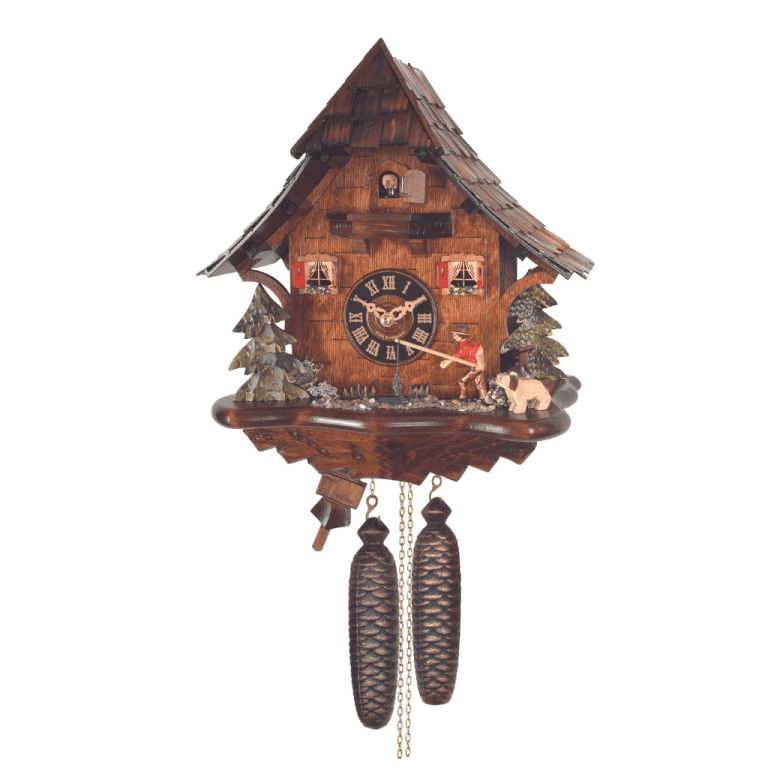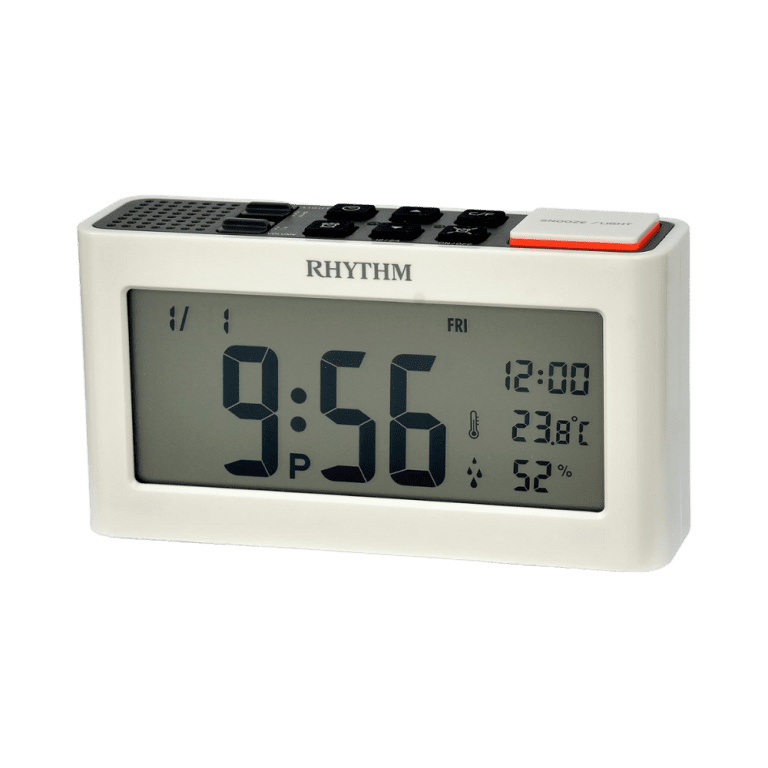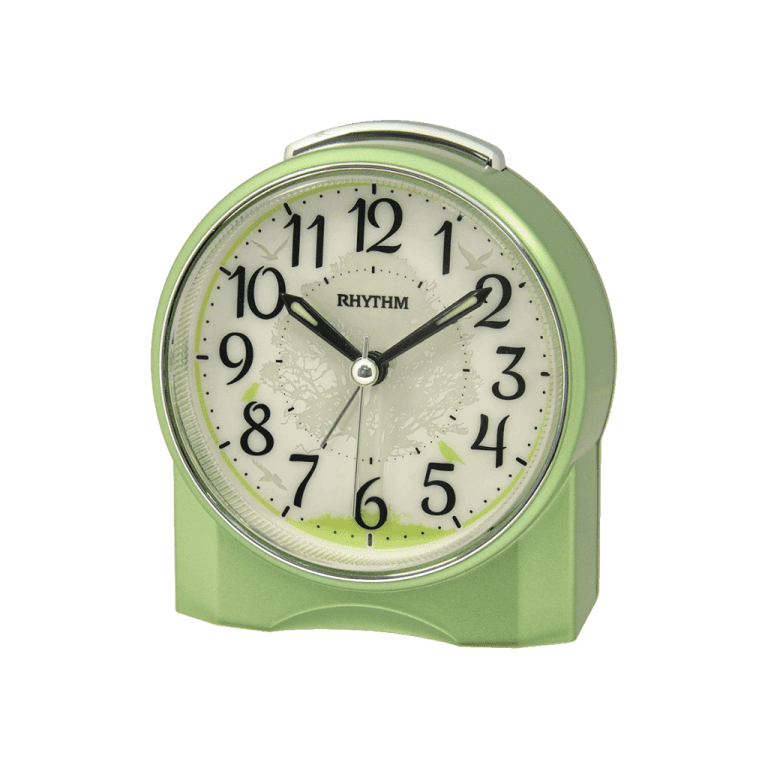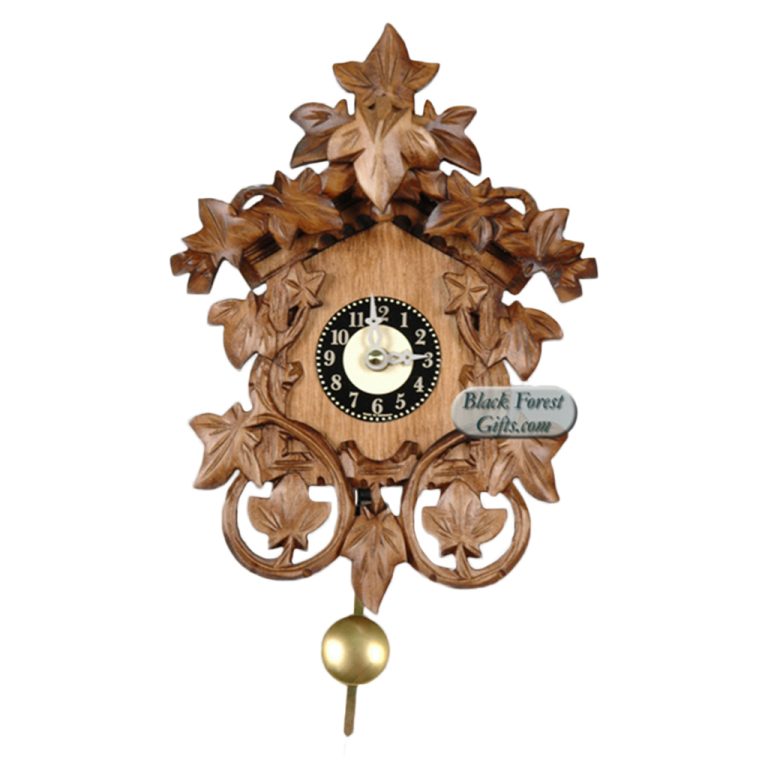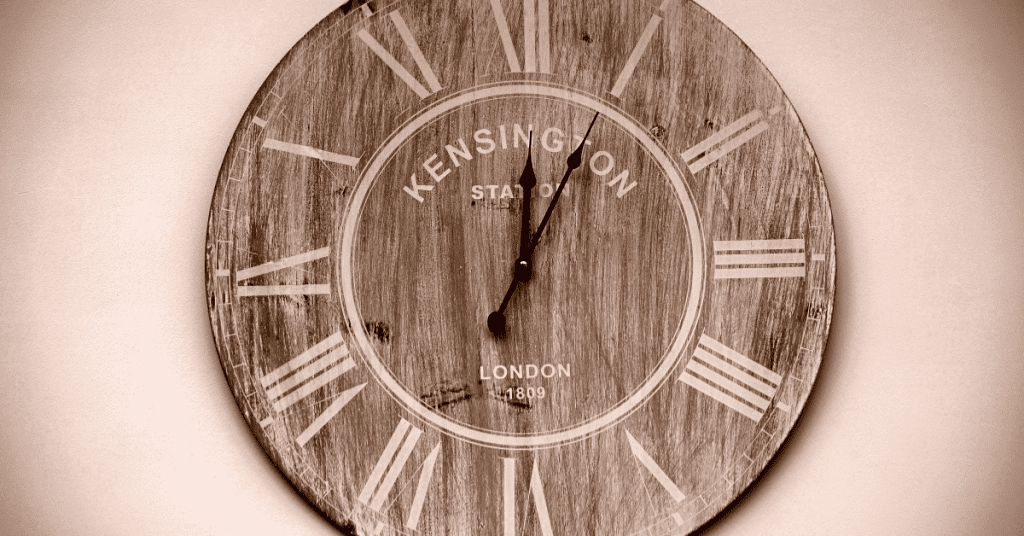
Clocks are essential timekeeping devices that have played a vital role in human history, helping societies organise daily life, work, and social activities. From ancient time-measuring tools to modern digital designs, clocks have evolved significantly over centuries, reflecting advances in science, engineering, and design. Their primary purpose is to measure and display time, but they also serve decorative, cultural, and symbolic functions in homes, schools, workplaces, and public spaces.
The earliest forms of timekeeping did not resemble modern clocks. Ancient civilizations used natural elements such as the sun, water, and sand to track time. Sundials measured time through the movement of shadows cast by the sun, while water clocks and hourglasses relied on the steady flow of water or sand. These early methods laid the foundation for mechanical clocks, which began to appear in Europe during the Middle Ages. Early mechanical clocks were large, weight-driven devices often installed in church towers and town squares, helping entire communities coordinate their activities.
The development of mechanical clockwork marked a major turning point in timekeeping. These clocks used gears, springs, and escapement mechanisms to regulate movement and maintain accuracy. Over time, pendulum clocks were introduced, greatly improving precision. Invented in the 17th century, the pendulum clock became the standard for accurate timekeeping for many years and influenced the design of wall clocks, grandfather clocks, and mantel clocks commonly found in homes.
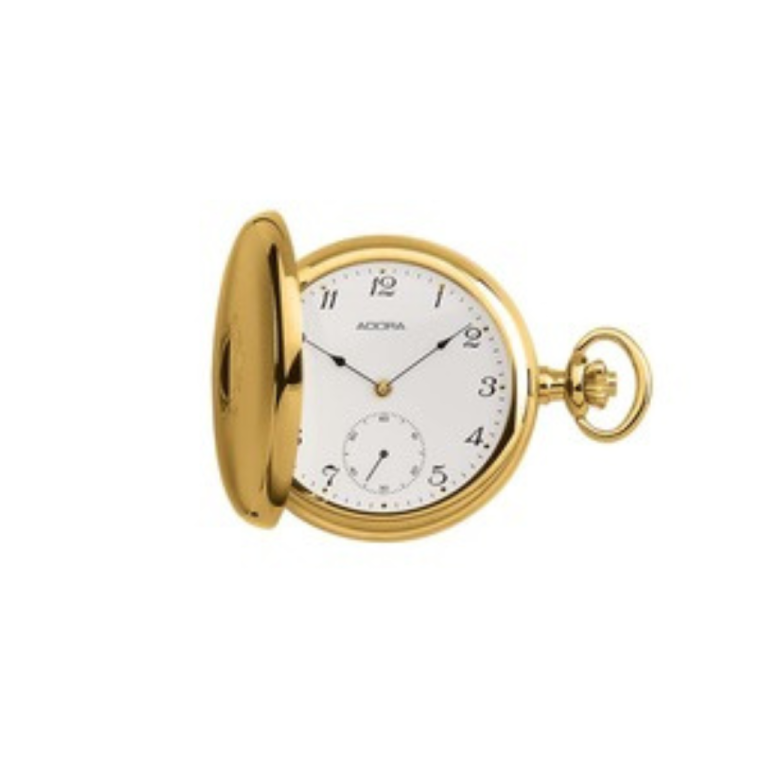
With the Industrial Revolution came mass production, making clocks more affordable and accessible. This period saw the rise of household clocks, pocket watches, and later wristwatches. Clock designs diversified, ranging from simple functional styles to ornate decorative pieces. Materials such as wood, brass, glass, and enamel were commonly used, allowing clocks to reflect both craftsmanship and personal taste.
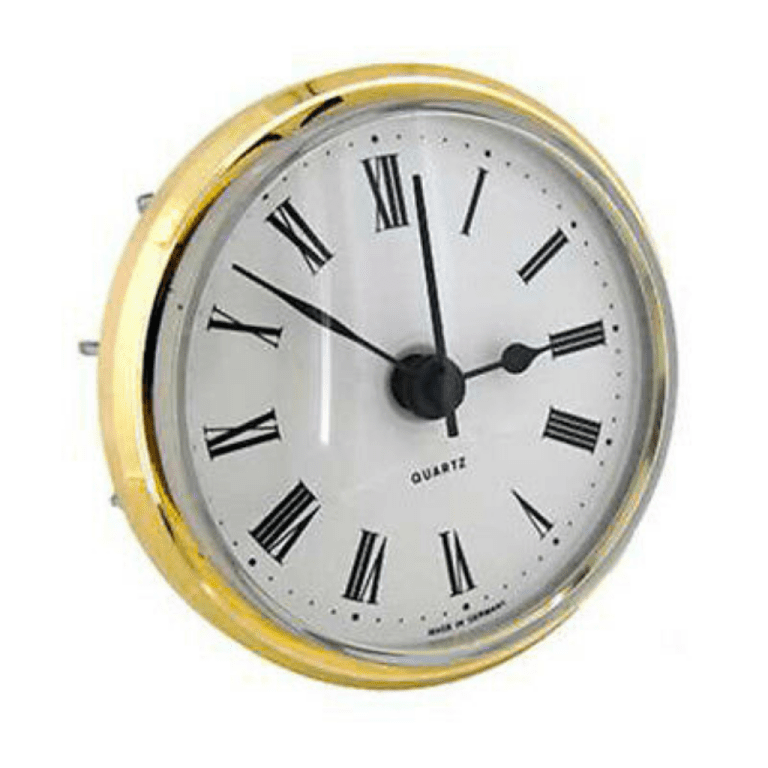
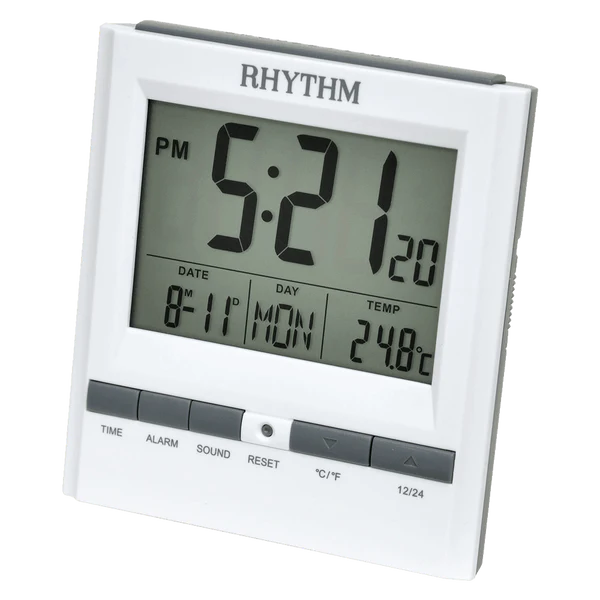
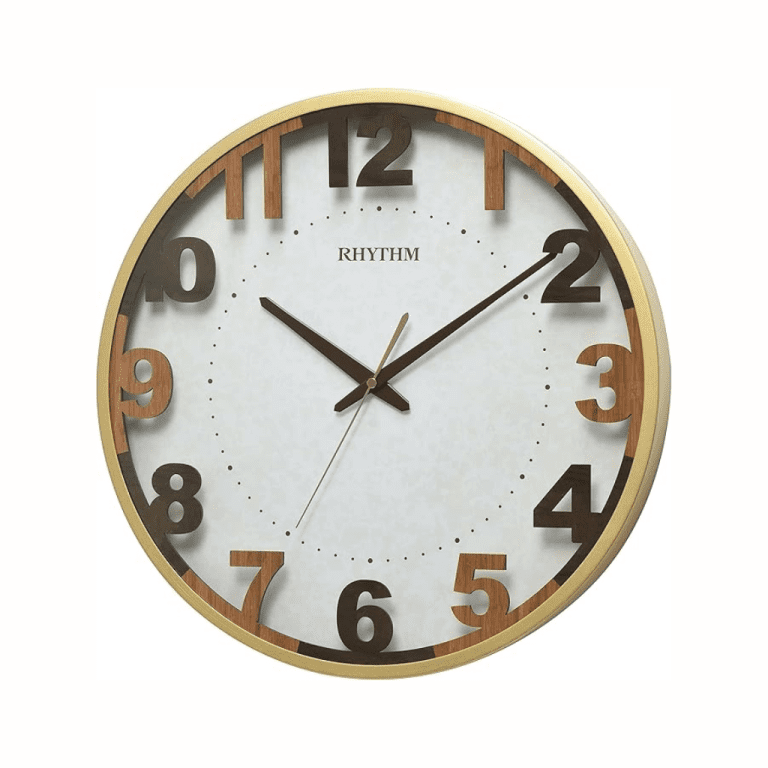
In the 20th century, technological advancements led to the invention of quartz clocks, which revolutionised accuracy and reliability. Quartz clocks use the vibrations of a quartz crystal, powered by a battery, to keep time with remarkable precision. These clocks require minimal maintenance and are widely used in wall clocks, alarm clocks, and watches today. Digital clocks also became popular, displaying time in numerical form and often including additional features such as alarms, timers, and temperature displays.
In modern times, clocks have expanded beyond basic timekeeping to include smart and multifunctional designs. Smart clocks can connect to the internet, respond to voice commands, and integrate with home automation systems. Public clocks, such as those found in schools, train stations, and city centres, remain important for synchronising activities and maintaining punctuality in shared spaces.
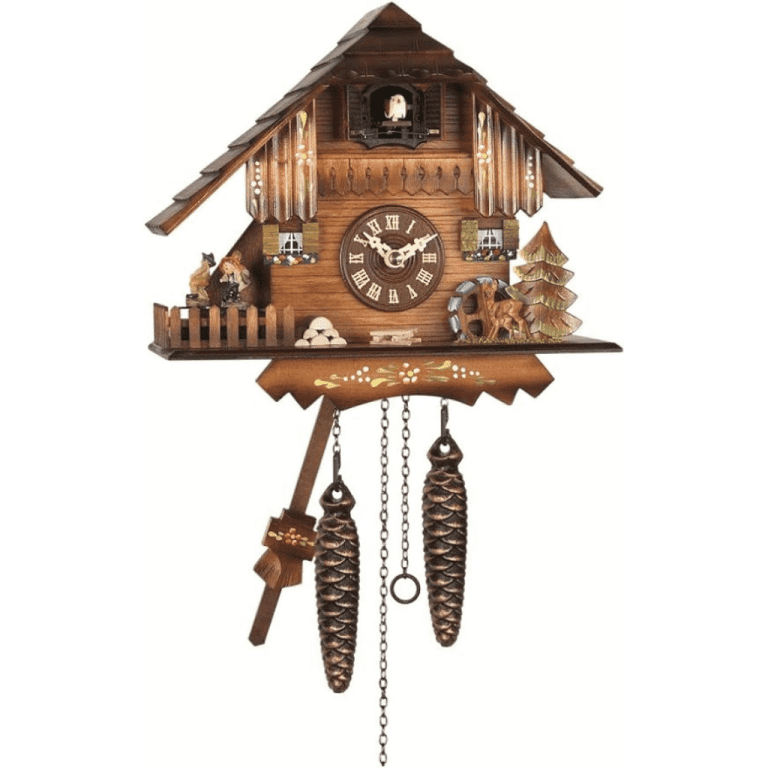
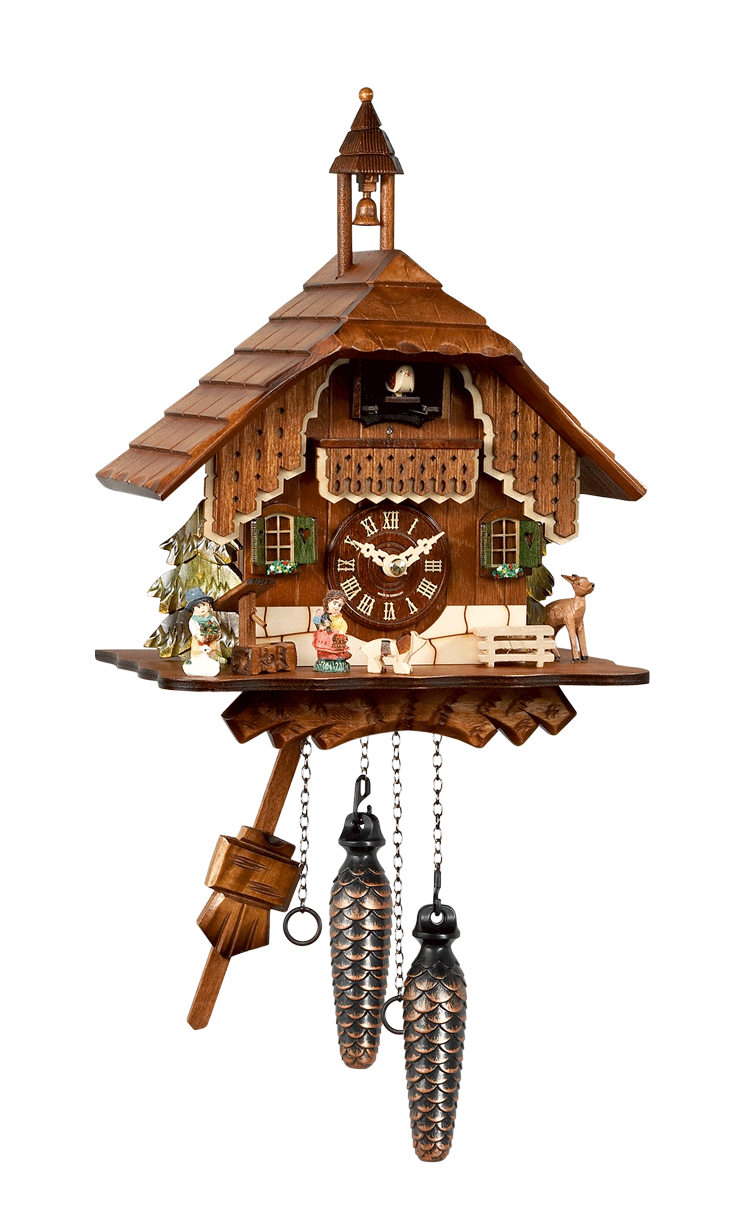
Beyond their practical function, clocks hold symbolic meaning. They often represent the passage of time, discipline, and the value of punctuality. In educational settings, clocks help children learn time management and responsibility, while in homes, they contribute to atmosphere and interior design. Decorative clocks, including antique and novelty styles, are valued as collectibles and artistic objects.
In conclusion, clocks have evolved from simple natural time indicators to highly accurate and technologically advanced devices. Despite changes in technology, their importance remains unchanged. Clocks continue to help people structure their lives, appreciate time, and connect with both history and modern innovation.