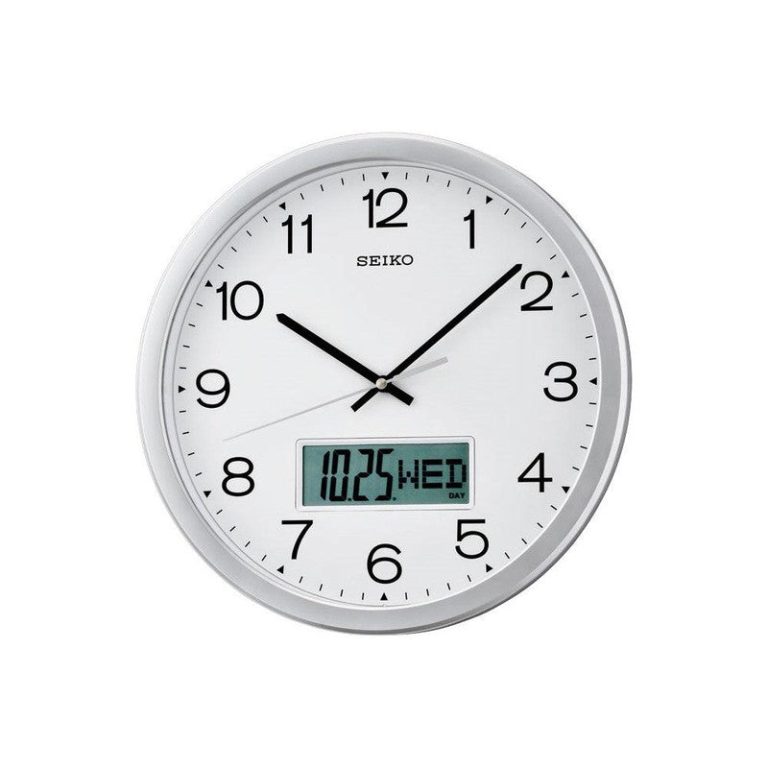
Clocks play a vital role in the smooth running and success of any business. While they may seem like simple tools, their importance extends far beyond just telling the time—they help create structure, improve productivity, and ensure efficiency in the workplace.
One of the most important functions of a clock in a business is time management. Employees rely on clocks to start and end their workday, take breaks, and meet deadlines. When everyone follows the same schedule, tasks are completed more efficiently and the workplace runs in an organized manner. Without a clear sense of time, confusion and delays can easily occur, affecting overall performance.
Clocks also promote punctuality and discipline. In any professional environment, being on time is essential. Meetings, client appointments, and project deadlines all depend on accurate timing. A visible clock serves as a constant reminder for employees to stay on track and respect time commitments. This not only improves individual responsibility but also builds a culture of professionalism within the business.
In addition, clocks are crucial for coordination and teamwork. Many business operations involve multiple people working together, often across different departments. Having synchronized timing ensures that everyone is aligned, reducing errors and miscommunication. For example, in industries like manufacturing, retail, or hospitality, precise timing can be the difference between smooth service and costly mistakes.
Clocks also help businesses measure productivity and performance. By tracking how long tasks take, managers can identify areas where efficiency can be improved. Time tracking allows businesses to set realistic goals, manage workloads, and ensure that resources are used effectively. It also helps in monitoring employee attendance and work hours, which is important for payroll and accountability.
Furthermore, clocks play a key role in customer satisfaction. Businesses that operate on schedules—such as shops, offices, and service providers—must open and close on time. Customers expect reliability, and a business that respects time builds trust and credibility. Whether it’s delivering a service promptly or starting a meeting as scheduled, time awareness directly impacts a company’s reputation.
In today’s fast-paced world, where time is often linked to money, the importance of clocks becomes even more evident. Every minute counts, and businesses that manage time well are more likely to succeed. Clocks provide a simple yet powerful way to stay organized, focused, and competitive.
In conclusion, clocks are essential tools in any business environment. They support time management, encourage punctuality, improve coordination, and enhance productivity. More than just devices that tell time, clocks help businesses function efficiently and achieve their goals.