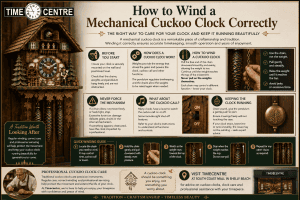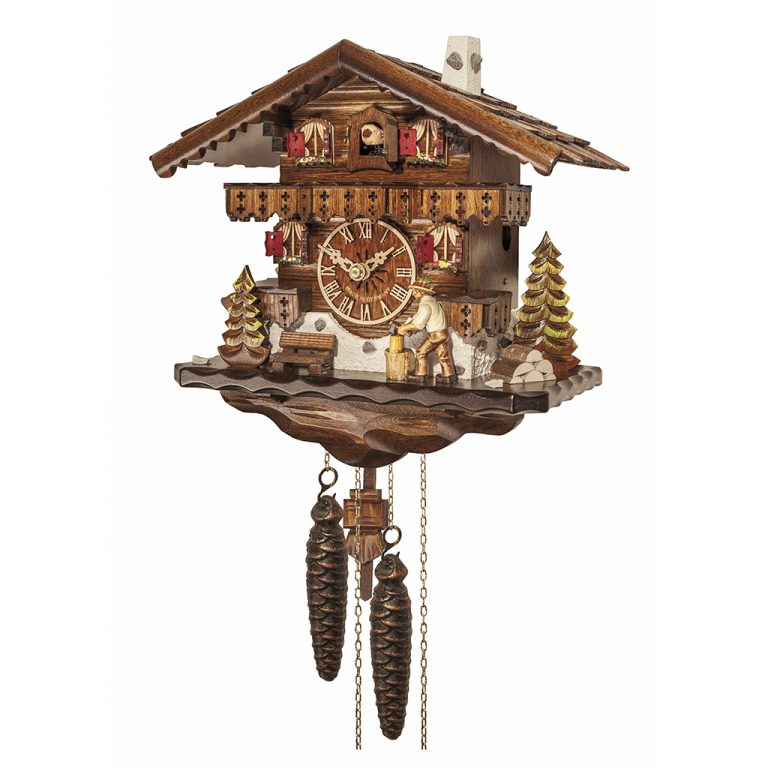
A traditional mechanical cuckoo clock is a wonderful combination of craftsmanship, engineering and tradition. Unlike a simple battery-powered clock, a mechanical cuckoo clock needs regular attention to keep its movement running.
For a new owner, winding a cuckoo clock for the first time can seem a little intimidating. However, once you understand the basic process, it becomes a simple part of owning and enjoying your clock.
Knowing how to wind a cuckoo clock correctly is also important because using the wrong technique can potentially damage the mechanism.
Before You Start
Before winding your cuckoo clock, make sure it is securely mounted on the wall and positioned correctly.
A mechanical cuckoo clock needs to hang level and stable. If the clock is tilted or not securely positioned, the pendulum may not swing correctly and the clock may stop.
You should also make sure the chains, weights and pendulum are hanging freely and are not caught against furniture, the wall or another object.
How Does a Cuckoo Clock Work?
Traditional mechanical cuckoo clocks use a series of gears, springs and other mechanical components to keep time and operate the cuckoo mechanism.
The hanging weights provide the energy required to power the movement. As the weights gradually descend, they drive the clock’s mechanism.
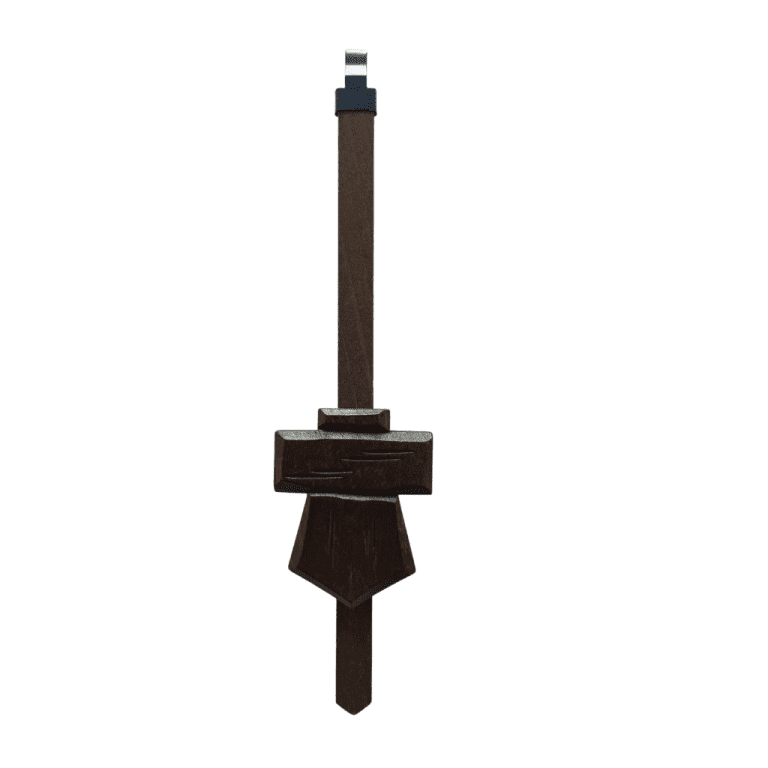
The pendulum regulates the movement of the clock, while the chains allow the weights to be raised again when the clock needs to be wound.
Depending on the particular movement, a clock may also have separate mechanisms for the timekeeping, cuckoo call and musical or animated features.
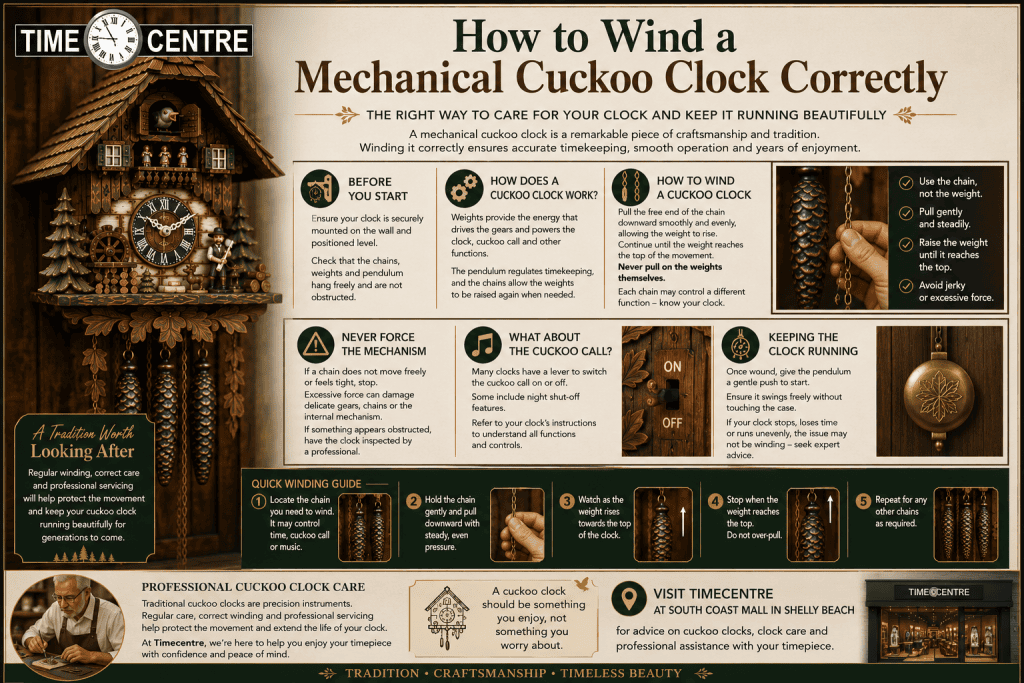
How to Wind a Cuckoo Clock
The exact winding procedure can vary depending on the model, so always follow the manufacturer’s instructions where available.
For many traditional chain-driven cuckoo clocks, winding involves gently pulling the appropriate chain downward while allowing the weight to rise.
Never pull on the weights themselves.
Instead, use the free end of the chain and pull gently and steadily. Continue until the weight has reached the appropriate position near the bottom of the clock.
If your clock has multiple chains, each may operate a different part of the movement. Make sure you understand which chain operates which function.
Never Force the Mechanism
One of the most important rules when winding a mechanical clock is simple: never force anything.
If a chain does not move freely or something feels unusually tight, stop.
A mechanical clock contains delicate components, and excessive force can damage the chain, gears or internal mechanism.
The same applies if the pendulum, weights or other moving components appear to be obstructed. It is better to have the clock inspected than to risk causing additional damage.
What About the Cuckoo Call?
Some cuckoo clocks have a lever that allows the cuckoo call to be switched on or off.
If your clock has such a feature, make sure you understand its correct position before operating it. Some clocks may also have night shut-off functions that prevent the cuckoo from sounding during sleeping hours.
The features and controls can vary considerably between models, so the instructions supplied with your particular clock are always the best reference.
Keeping the Clock Running
Once the clock has been correctly wound, the pendulum can be started with a gentle swing.
The clock should be positioned so that the pendulum can move freely without touching the case.
If the clock stops repeatedly, loses significant time or appears to run unevenly, do not assume that it simply needs winding. The problem could involve the positioning, pendulum adjustment or mechanical movement.
A specialist can identify the cause and make the appropriate adjustment.
Professional Cuckoo Clock Care
Traditional cuckoo clocks are designed to provide years of enjoyment, but they are still precision mechanical instruments.
Regular care, correct winding and professional servicing when necessary can help protect the movement and extend the life of the clock.
At Timecentre, we understand the craftsmanship behind traditional clocks and the importance of looking after them correctly. If you are unsure how to operate your cuckoo clock or you are experiencing a problem with its movement, getting professional advice is always the safest approach.
A cuckoo clock should be something you enjoy rather than something you worry about.
Visit Timecentre at South Coast Mall in Shelly Beach for advice on cuckoo clocks, clock care and professional assistance with your timepiece.