Choosing the right clocks for schools isn’t just about telling time—it’s about visibility, learning value, durability, and classroom environment. The best school clocks are easy to read from a distance, quiet (so they don’t distract learners), and sometimes even educational.
Here are some of the best types of clocks for schools, with great options you can actually use:
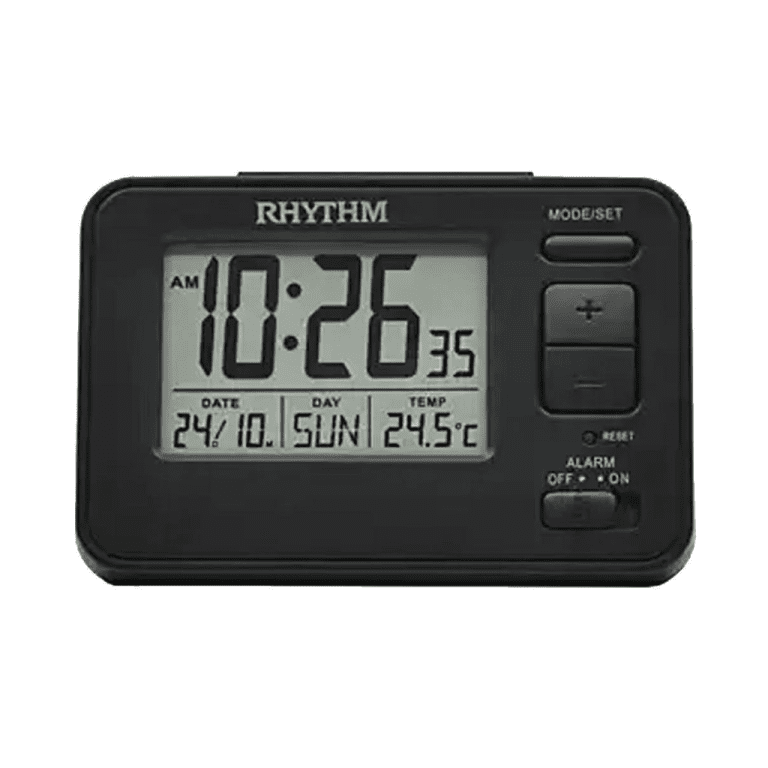
Large digital wall clock
This type of large digital clock is ideal for classrooms because:
- Big, bright numbers are easy for all learners to see
- Helps with punctuality and lesson transitions
- Often includes date and temperature features
Digital clocks are especially useful in bigger classrooms or halls where learners sit far from the front.
Best for teaching time (foundation phase)
Perfect for younger learners:
- Colour-coded sections make learning easier
- Clearly marked minutes and hours
- Supports maths and life skills learning
These clocks turn time into a visual learning tool, not just a schedule.
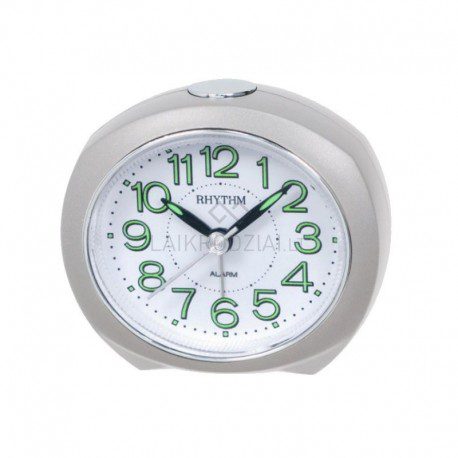
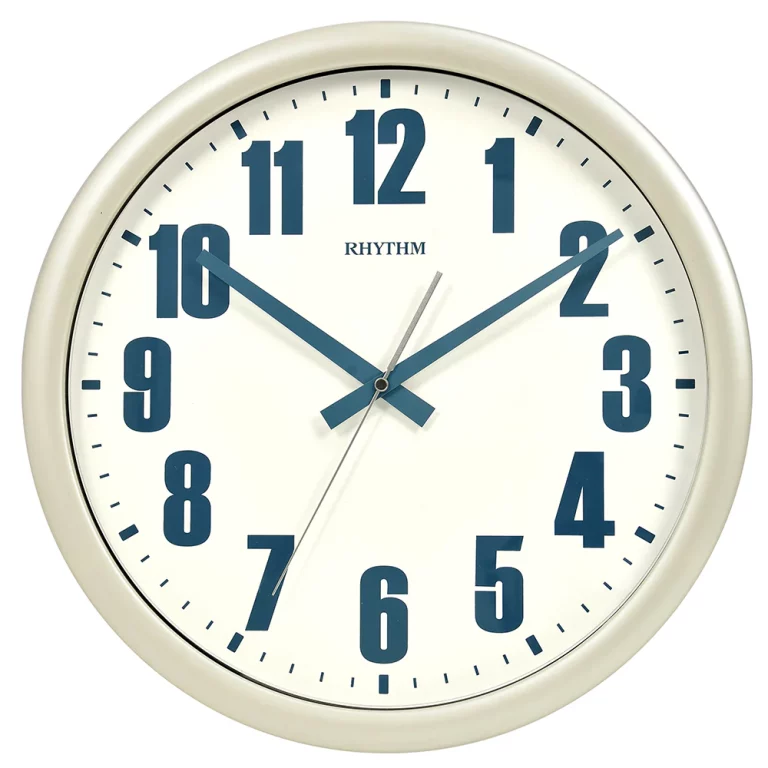
Best quiet analog clock (no distractions)
Why teachers love these:
- No ticking noise (great for concentration)
- Easy-to-read face
- Reliable and low maintenance
Silent clocks are important because constant ticking can distract learners during lessons.
Best for time management & activities
Great for:
- Timed activities and tests
- Classroom routines
- Learners who need visual structure
These are especially helpful for younger learners or children who need extra support with time awareness.
Best advanced digital classroom clock
Best for:
- School halls or large classrooms
- Exams and assemblies
- Clear visibility across long distances
How to choose the right clock for your school
- For Grade R–3: Go for learning clocks (colourful, labeled)
- For older learners: Use large digital clocks for accuracy
- For quiet classrooms: Always choose silent/non-ticking
- For structured lessons: Add a visual timer
Final tip
The best schools often use a combination of clocks:
- One large digital clock for the whole class
- One teaching clock for lessons
- One timer for activities
This creates a classroom that is not only organised—but also supports learning in a practical, visual way.