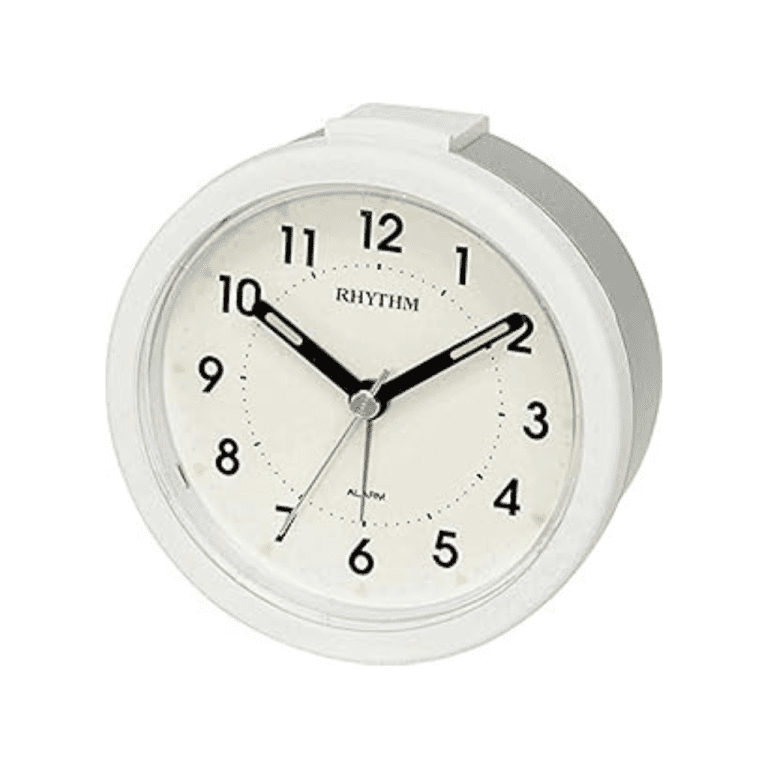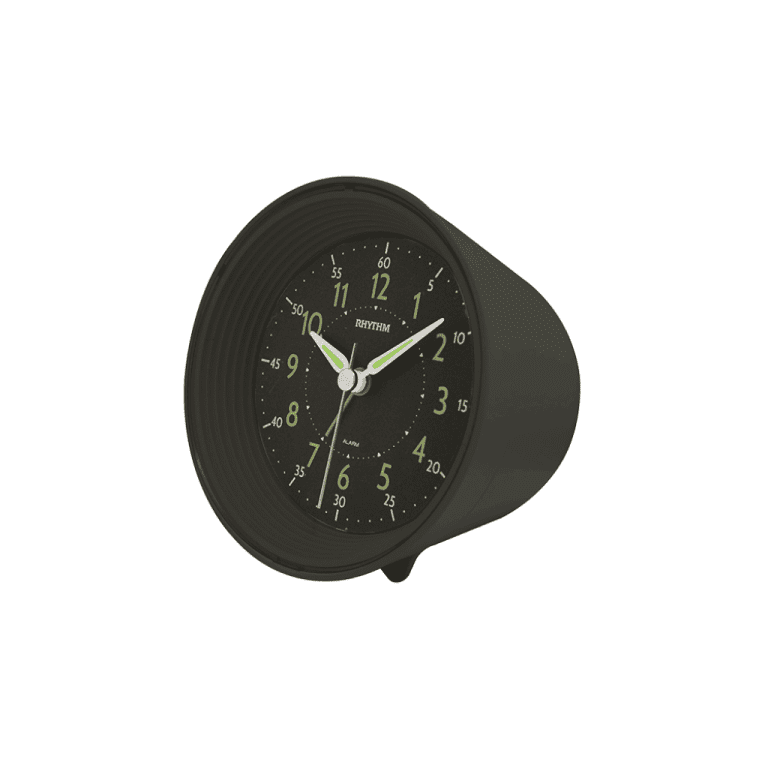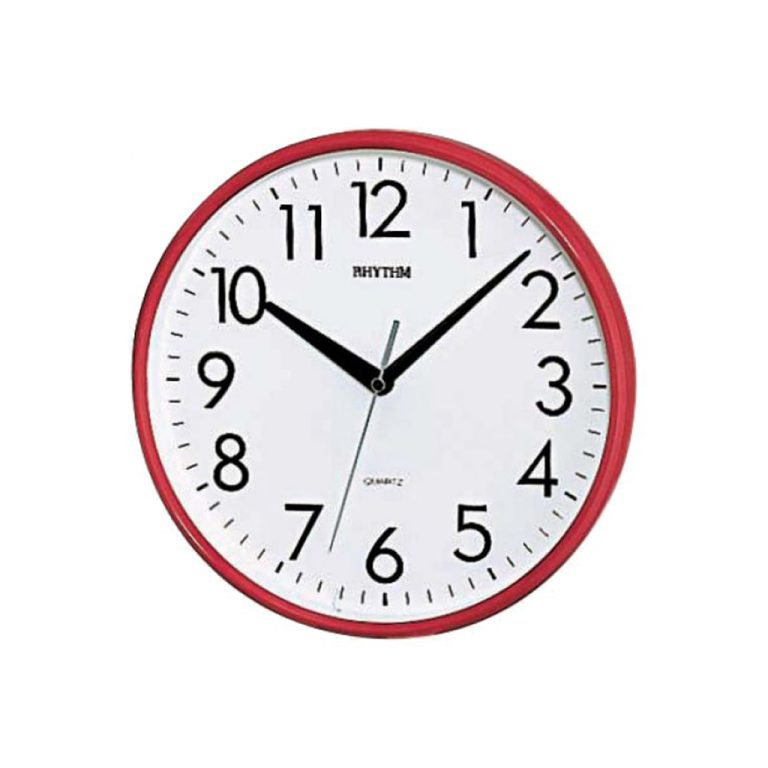
A lounge clock is an important and practical feature in many homes, offices, and shared spaces. Placed in a central living area such as a lounge or sitting room, this type of clock helps people keep track of time while going about their daily activities. Beyond its basic function, a lounge clock often serves as a decorative element that adds style, character, and balance to the room.
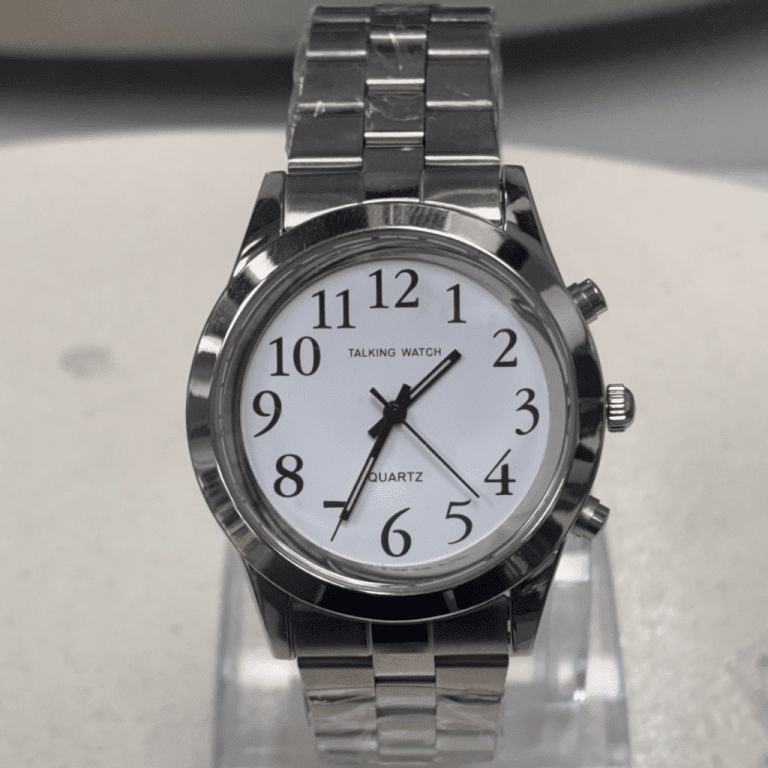
One of the main purposes of a lounge clock is visibility. Lounge clocks are usually larger than bedroom or desk clocks so that the time can be easily read from different areas of the room. Wall-mounted clocks are especially popular in lounges because they save space and can be positioned at eye level. Large numbers, clear markings, and contrasting colours help ensure the clock is easy to read at a glance.
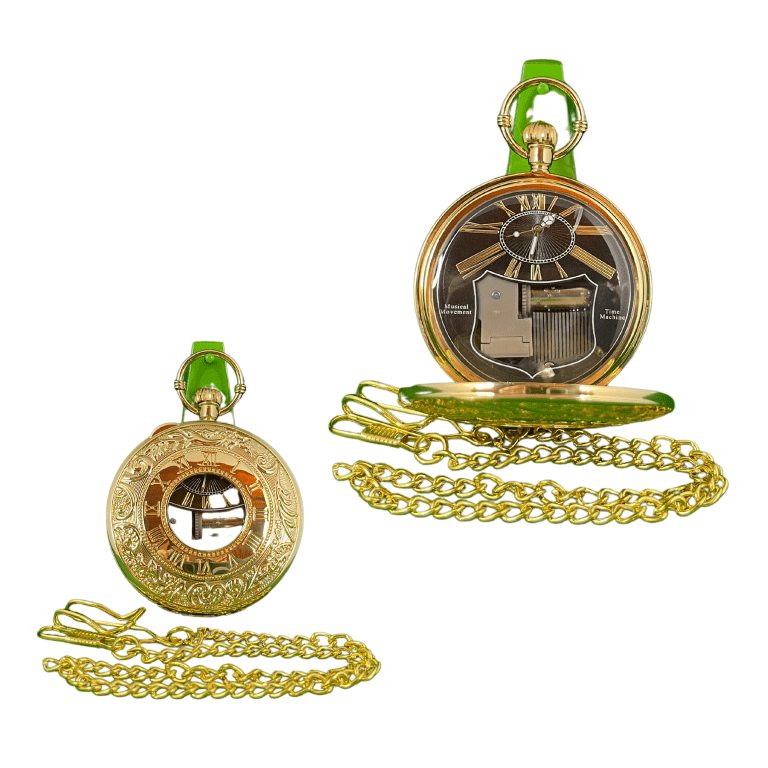
Lounge clocks come in a wide variety of styles and designs. Some have a classic or traditional look, featuring Roman numerals, wooden frames, or vintage finishes. Others are modern and minimalist, with sleek lines, simple faces, and neutral colours. There are also bold, artistic clocks that act as statement pieces, drawing attention and becoming a focal point of the lounge. The style of the clock is often chosen to match or complement the décor of the room.
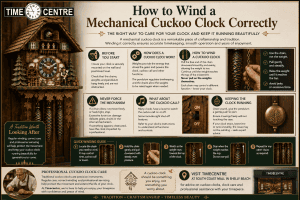
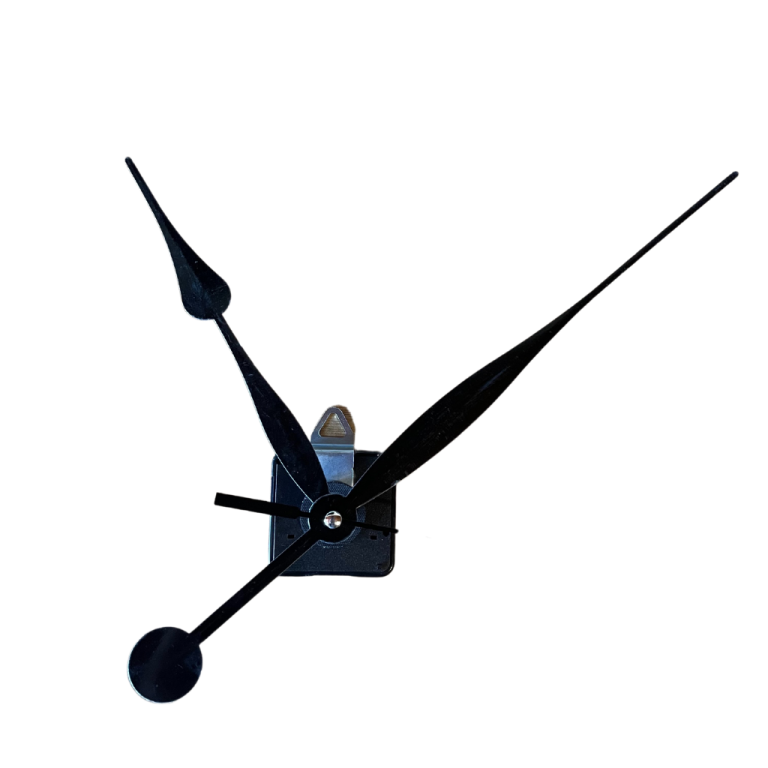
In addition to appearance, the mechanism of a lounge clock is important. Many lounge clocks use quartz movement, which is accurate and requires little maintenance. Quartz clocks are usually battery-powered and keep time reliably. Some people prefer mechanical clocks, which may need winding but are admired for their craftsmanship and traditional charm. Silent or sweep movements are also popular choices, as they reduce ticking sounds that may be distracting in a quiet lounge environment.
A lounge clock can also support daily routines. In family homes, it helps adults manage schedules such as meal times, appointments, or bedtime routines. For children, a visible clock in the lounge helps them learn to tell the time and understand time management. In offices or waiting areas, a lounge clock helps visitors stay aware of the time without needing to check their phones.
Placement is another important factor. A lounge clock should be positioned where it is clearly visible but not overpowering. It is often placed above a sofa, fireplace, or central wall. The size of the clock should suit the size of the room — large lounges can accommodate bigger clocks, while smaller spaces may benefit from medium-sized designs.
In conclusion, a lounge clock is both a functional and decorative item. It helps people stay aware of time, supports daily routines, and enhances the overall look of a lounge. By choosing the right style, size, and placement, a lounge clock can become a useful and attractive feature in any living space.