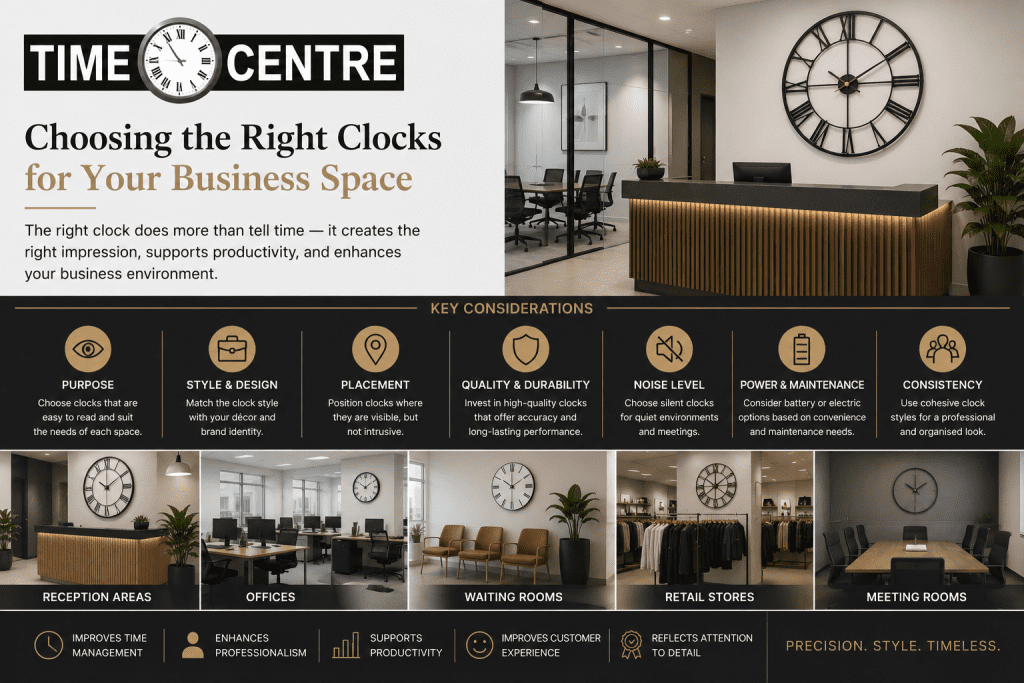
Selecting the right clocks for a business is about more than just telling time, it’s about creating the right impression, supporting productivity, and enhancing the overall environment. With a wide range of styles and designs available, choosing the perfect clock requires careful consideration of both function and aesthetics.
The first factor to consider is the purpose of the clock. In high-traffic areas such as reception spaces or waiting rooms, clocks should be easy to read from a distance. Large wall clocks with clear numbers and strong contrast are ideal for these spaces, ensuring that clients and visitors can quickly check the time without difficulty.
In office environments, simplicity and professionalism are key. Minimalist clocks with clean designs often work best, as they complement a variety of office décor styles without becoming distracting. Neutral colours such as black, white, or metallic finishes tend to blend well with most professional settings.
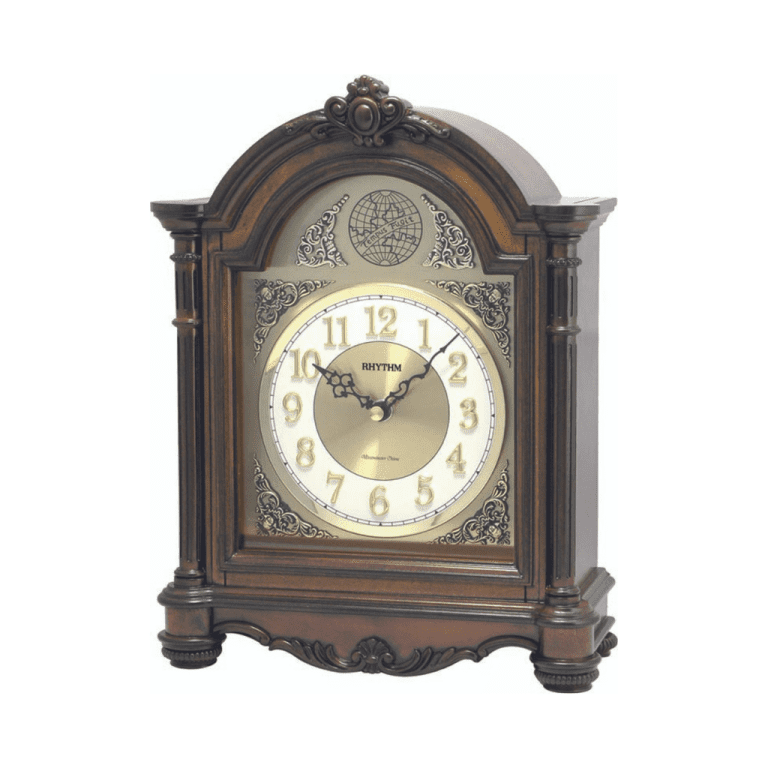
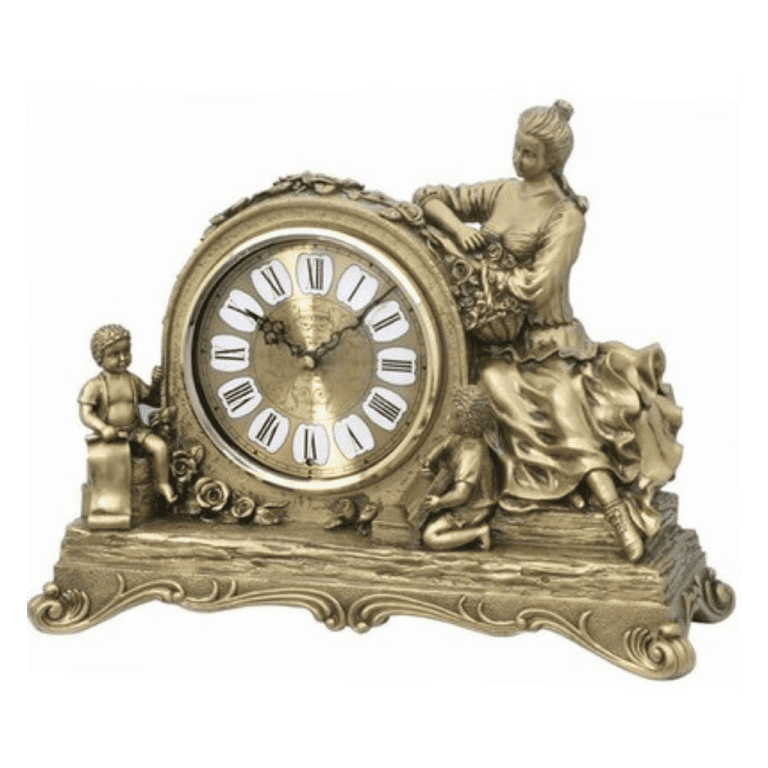
For businesses that want to make a statement, decorative clocks can be used to enhance the overall design. A bold, oversized clock can act as a focal point in a room, adding personality and visual interest. This is especially effective in creative industries, boutique stores, or hospitality spaces where atmosphere plays a key role.
Another important consideration is placement. Clocks should be positioned where they are easily visible but not intrusive. In offices, this might mean placing a clock on a central wall that can be seen from multiple workstations. In customer areas, it should be placed where clients can comfortably view it without having to search for it.
Durability and quality are also essential when choosing clocks for a business. High-quality materials and reliable mechanisms ensure that the clock remains accurate and maintains its appearance over time. This is particularly important in busy environments where wear and tear can occur more quickly.
Noise levels should also be taken into account. In quiet office spaces or meeting rooms, silent or non-ticking clocks are often preferred to avoid distractions. In contrast, more traditional clocks with a gentle ticking sound may be suitable for less formal environments.
Energy efficiency and maintenance are additional factors to consider. Battery-operated clocks are convenient and easy to maintain, while electric clocks may offer continuous operation without the need for regular battery changes. Choosing the right option depends on the specific needs of the business.
Finally, consistency in design can enhance the overall look of a business. Using similar clock styles throughout different areas creates a cohesive and organised appearance, reinforcing a professional image.
In conclusion, the right clock can do much more than simply display time. It can support productivity, enhance design, and contribute to a positive experience for both employees and customers. By carefully selecting clocks that match the needs and style of the business, companies can create a space that is both functional and visually appealing.