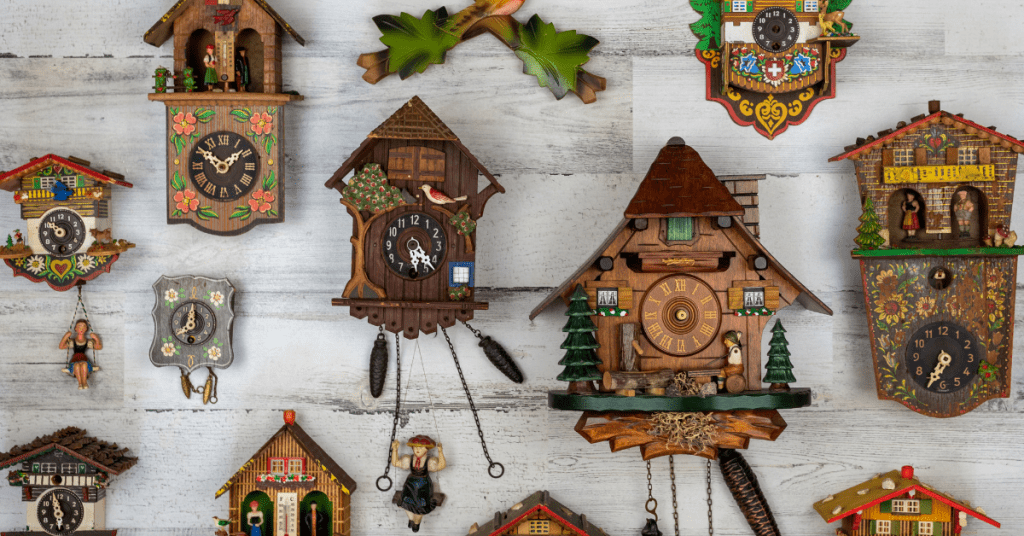
Cuckoo clocks are traditional timepieces known for their charming design and the distinctive cuckoo call that announces the hour. They have a rich history that dates back several centuries and are closely associated with the Black Forest region of Germany, where they were first created.
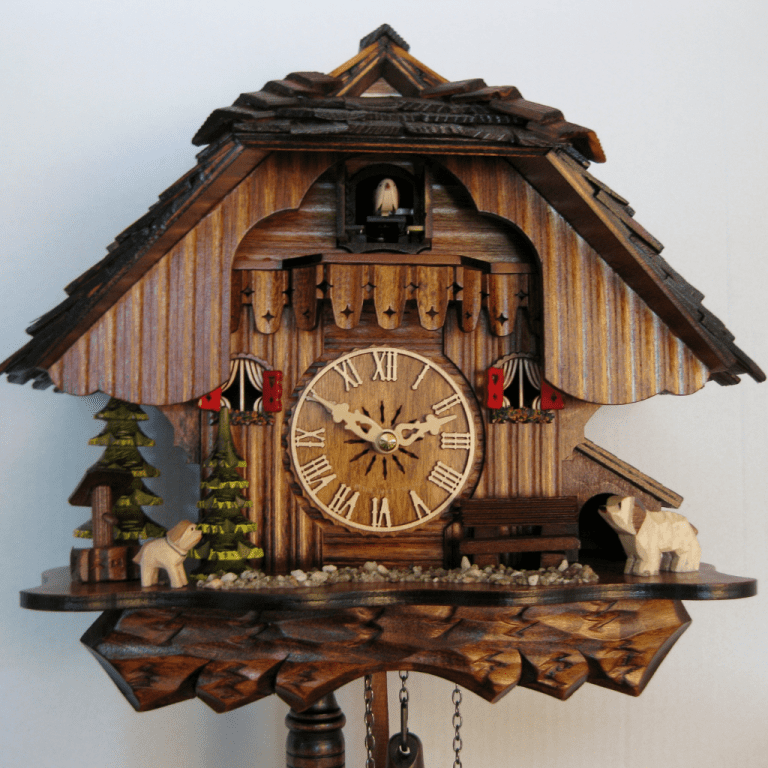
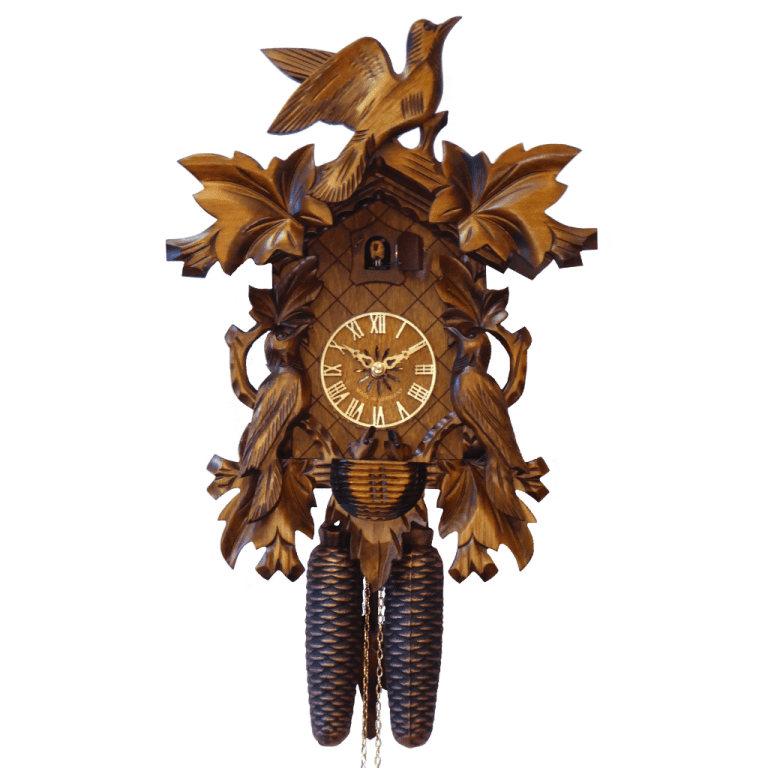
The origin of the cuckoo clock is believed to be in the early 18th century. Clockmakers in the Black Forest region began experimenting with mechanisms that could imitate the call of the cuckoo bird. These early clocks were made entirely by hand, using wood and simple tools, and featured a mechanical bird that would emerge from a small door to announce each hour. Over time, the designs became more elaborate, with carved decorations such as leaves, birds, animals, and hunting scenes, reflecting the natural surroundings of the Black Forest.
The popularity of cuckoo clocks grew quickly, not only in Germany but throughout Europe. By the 19th century, they were widely exported and had become a symbol of craftsmanship and tradition. Families treasured them as functional pieces of art, and they often became heirlooms passed down from generation to generation.
Cuckoo clocks are typically mechanical, using weights and pendulums to keep time. Modern versions may also use quartz movements for more convenience, but the traditional design remains highly valued for its artistry and charm. The clocks often include additional features, such as musical movements, dancing figurines, and rotating wheels, which make them both decorative and entertaining.
Today, cuckoo clocks are recognized worldwide as iconic examples of traditional clockmaking. They combine practical timekeeping with artistic design, celebrating the skill of the craftsmen who created them. Owning a cuckoo clock not only provides a functional piece for the home but also a connection to history, tradition, and the timeless charm of handcrafted work.