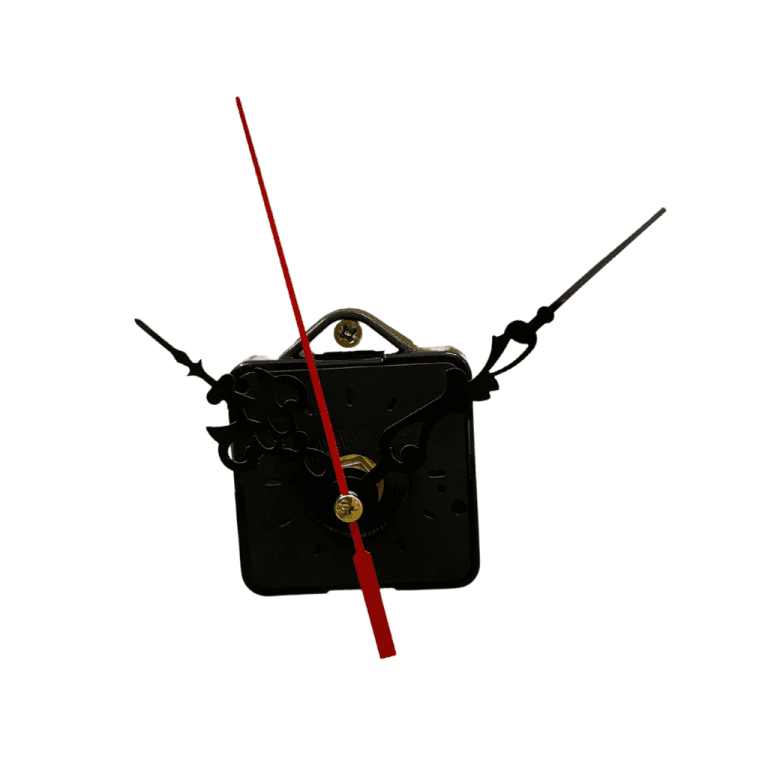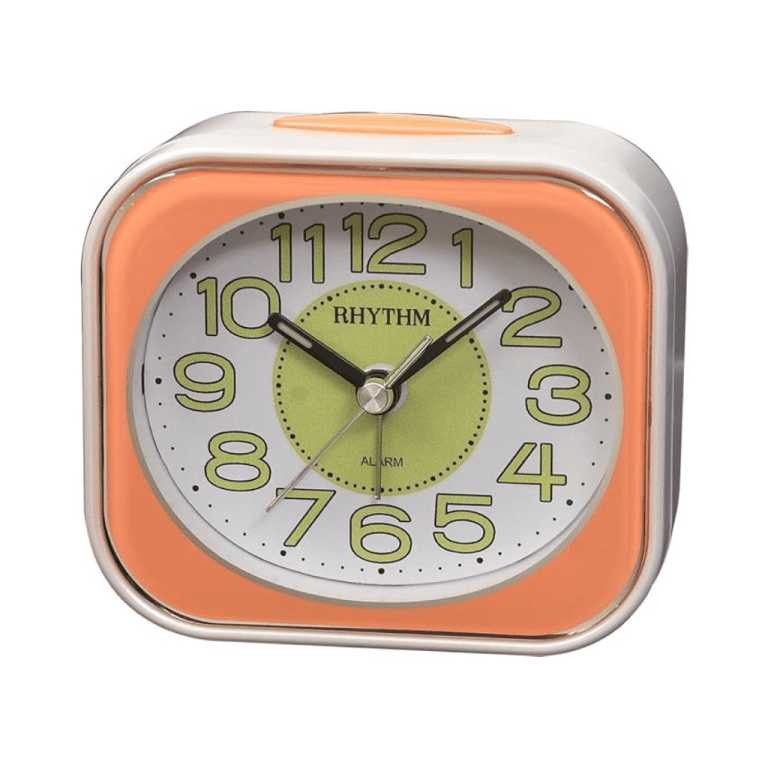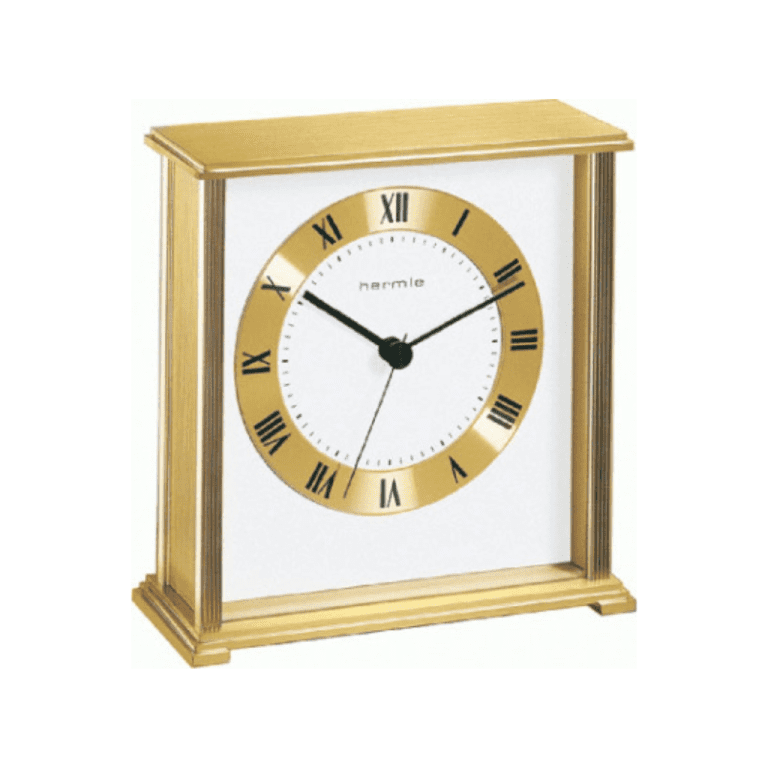
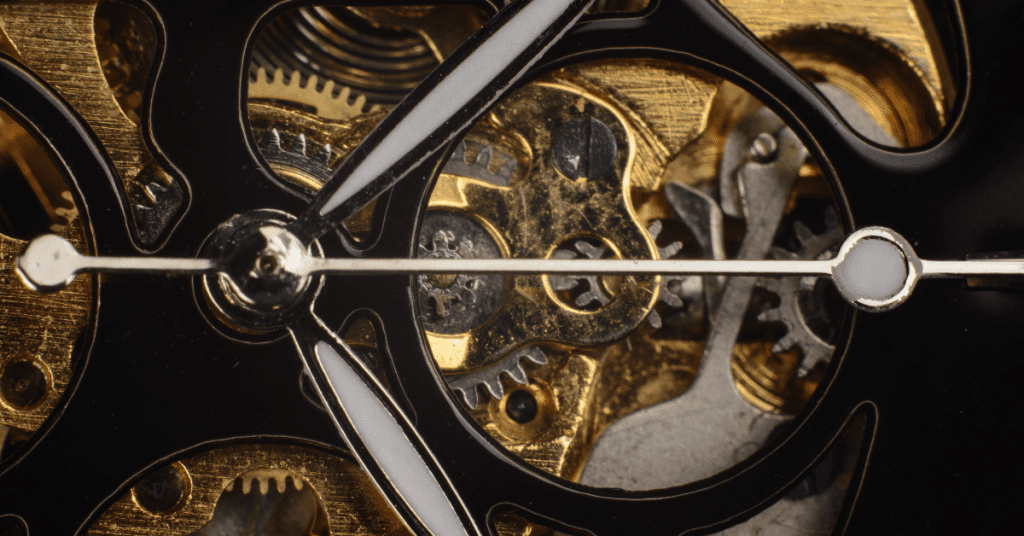
Clock fittings—such as the movement, pendulum, weights, hands, and smaller components like bushings and washers—are the working parts that allow a clock to function smoothly. Over time, these parts experience wear, dust build-up, and a loss of lubrication. Servicing your clock fittings regularly is essential to keep your timepiece accurate, reliable, and in good condition.
One key reason for servicing is accuracy. As oil dries or dirt collects inside the movement, the gears may not turn as smoothly, causing the clock to lose or gain time. A professional service includes cleaning and re-oiling, which ensures that the fittings work together without unnecessary friction.
Servicing also helps prevent costly damage. If parts such as bushings, pivots, or suspension springs wear out unnoticed, the clock may stop working altogether or suffer permanent damage. Regular maintenance identifies worn fittings early, allowing for simple repairs instead of expensive replacements.
Another benefit is longevity. A well-serviced clock can last for generations, becoming a family heirloom. Neglecting the fittings, however, shortens the lifespan of the movement and may cause irreparable harm to delicate parts.
In addition, servicing maintains the aesthetic and functional value of the clock. Clean, polished fittings not only look better but also protect against rust, tarnish, and corrosion. For striking clocks, well-maintained chime and bell fittings ensure the sound remains clear and pleasant.
Finally, servicing provides peace of mind. Knowing that your clock is properly cared for means you can rely on it daily without worrying about sudden breakdowns.
In short, servicing your clock fittings is not just maintenance—it is protection for an investment, preservation of craftsmanship, and a way to ensure your clock continues ticking for many years to come.