The design of clocks has always been about much more than simply telling the time. Over centuries, clocks have been shaped by function, style, and cultural meaning. Their design reflects advances in technology, artistry, and human needs, making them both practical instruments and decorative objects.
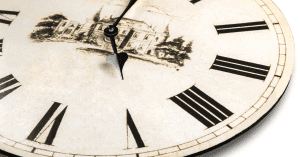
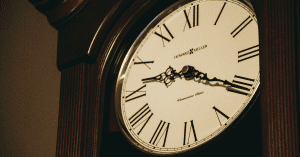
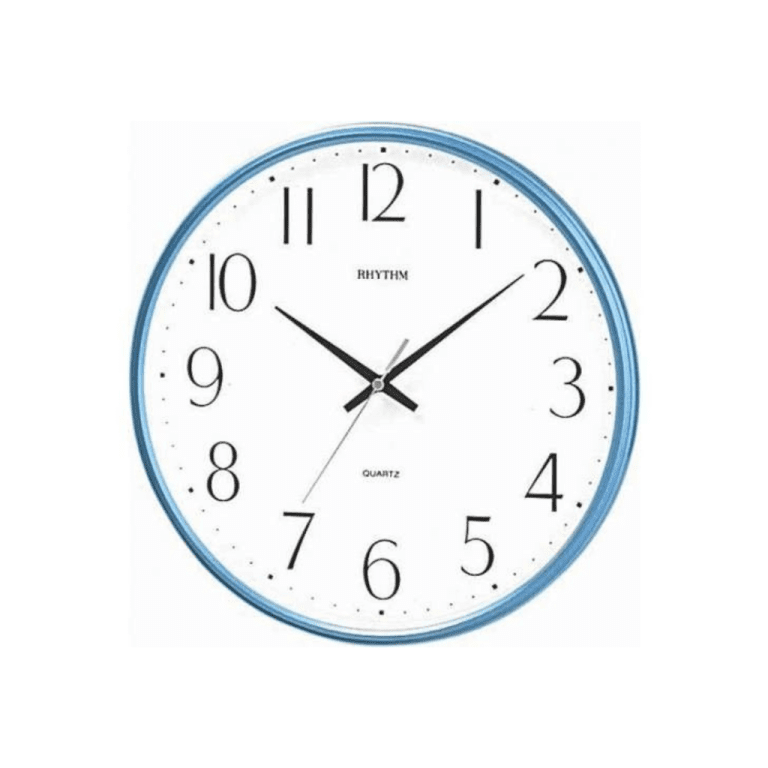
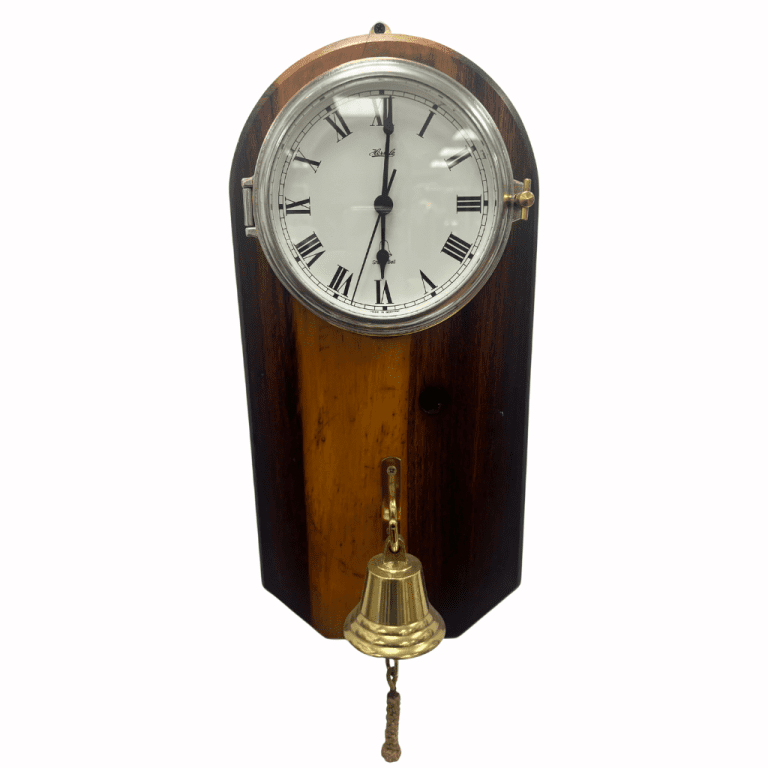
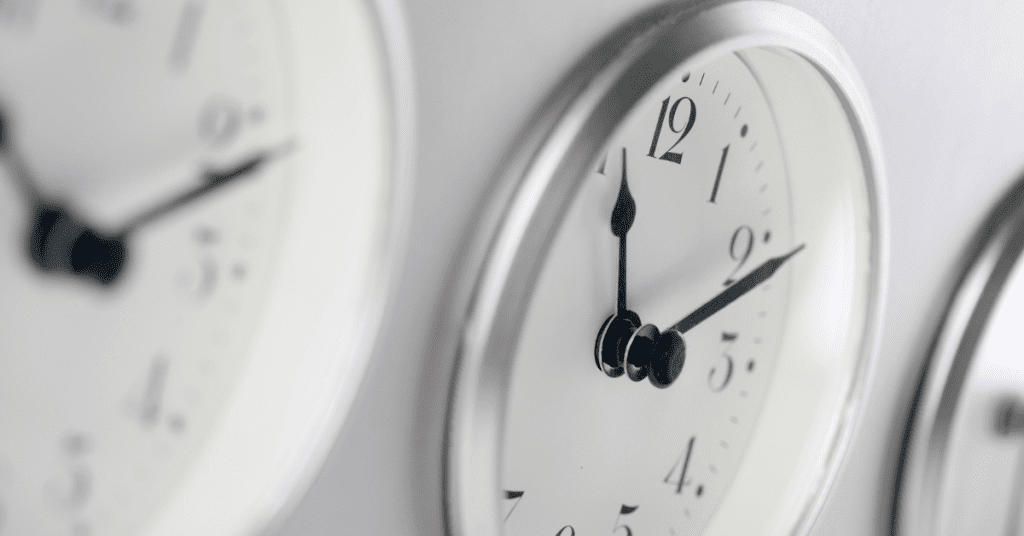
At its most basic, the design of a clock must ensure accuracy and readability. The face, with its numbers or markers, is carefully arranged so that time can be read at a glance. Traditional clock faces often feature Roman numerals, while modern designs may prefer minimalist lines or digital displays. The placement of hands, their thickness, and even the contrast of the dial’s background are considered to make the clock user-friendly.
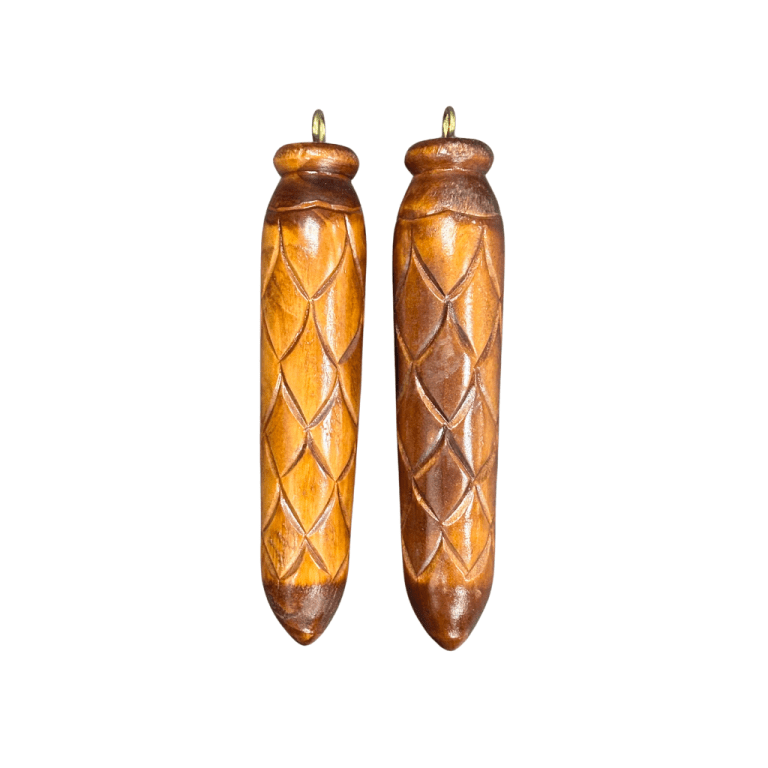
Beyond readability, clock design also involves engineering innovation. Early mechanical clocks relied on weights and pendulums, which required large casings like those in tower clocks or grandfather clocks. These designs were not just functional; they became architectural statements in public squares and homes. As technology advanced, spring-driven movements allowed for smaller, more portable designs such as pocket watches and mantel clocks. In the 20th century, quartz and digital technology brought new opportunities for sleek, compact, and unconventional shapes.
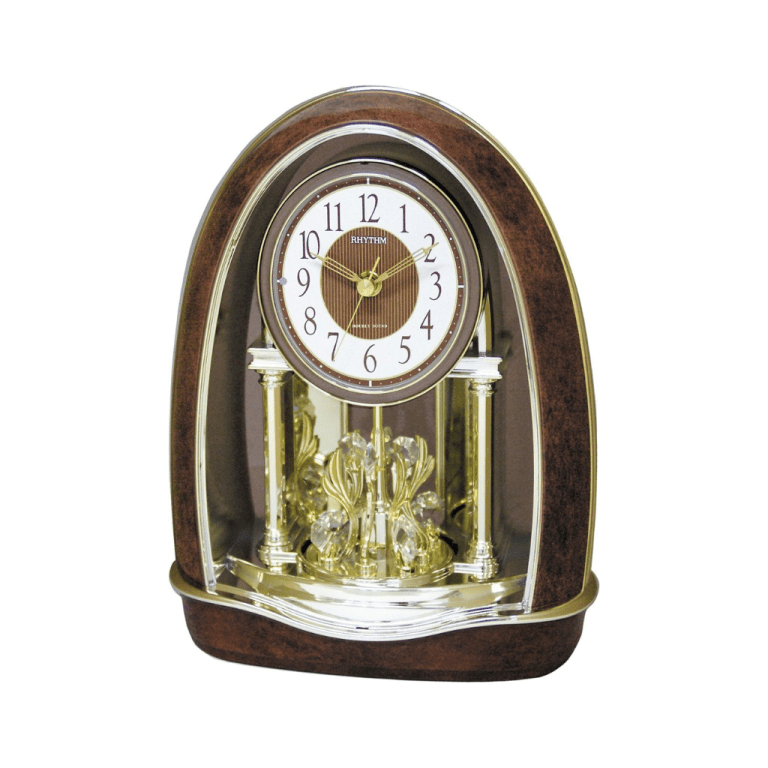
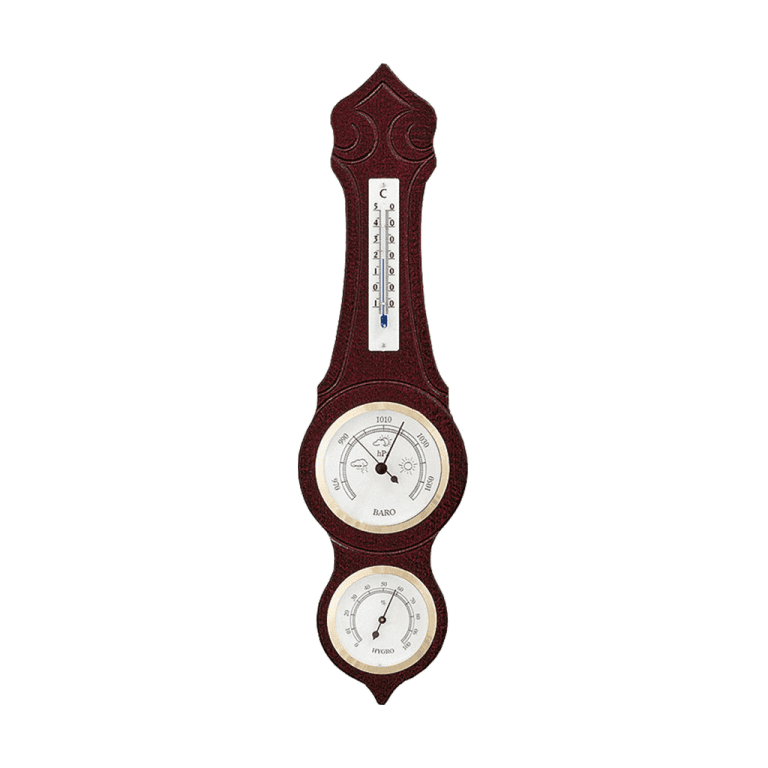
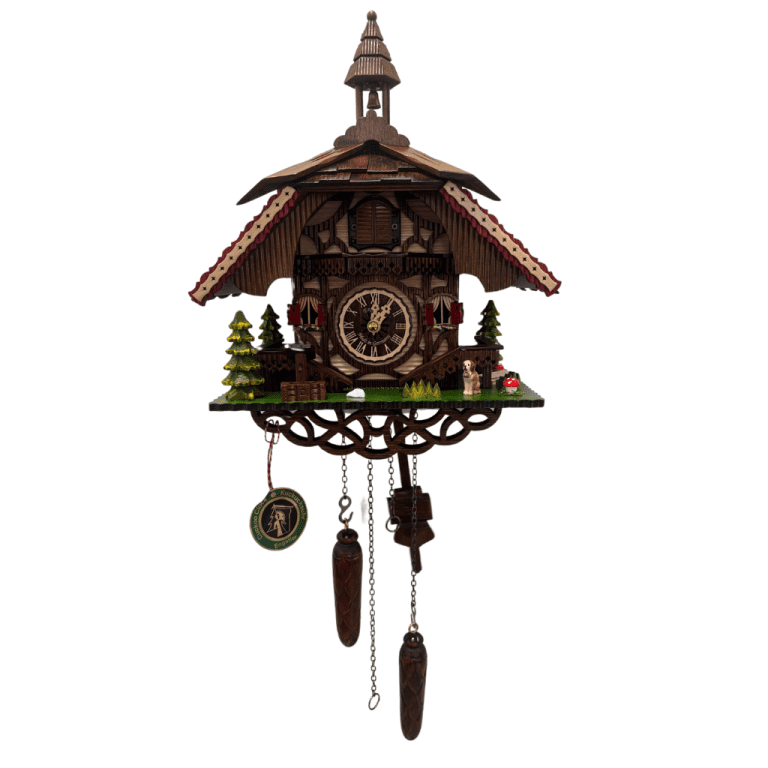
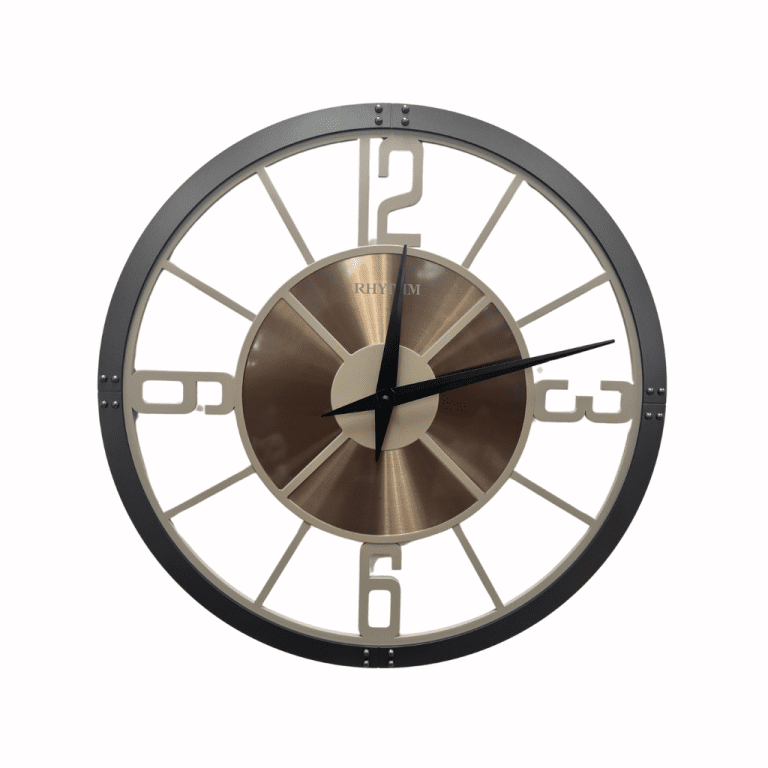
Aesthetic design is equally important. Clocks often serve as centerpieces in homes, offices, and public spaces. From ornate gilded French mantel clocks to the clean lines of Bauhaus-inspired wall clocks, their appearance reflects prevailing art movements and interior design trends. Some designs focus on elegance and luxury, using fine woods, metals, or jewels, while others highlight simplicity, aiming to blend seamlessly into modern living spaces.
Cultural influence also shapes design. In Japan, traditional lantern clocks incorporated local artistic motifs, while in Europe, Baroque and Rococo styles created highly decorative timepieces. Today, designers experiment with futuristic concepts, such as projection clocks, transparent casings, or clocks integrated into smart home systems, proving that the timepiece is still evolving.
Ultimately, the design of clocks balances form and function. They must remain accurate, legible, and reliable while also expressing creativity, culture, and innovation. Whether a majestic clock tower marking the passage of time for a city, a stylish wall clock adding character to a living room, or a digital device syncing with the internet, clocks remind us that timekeeping is both a science and an art.