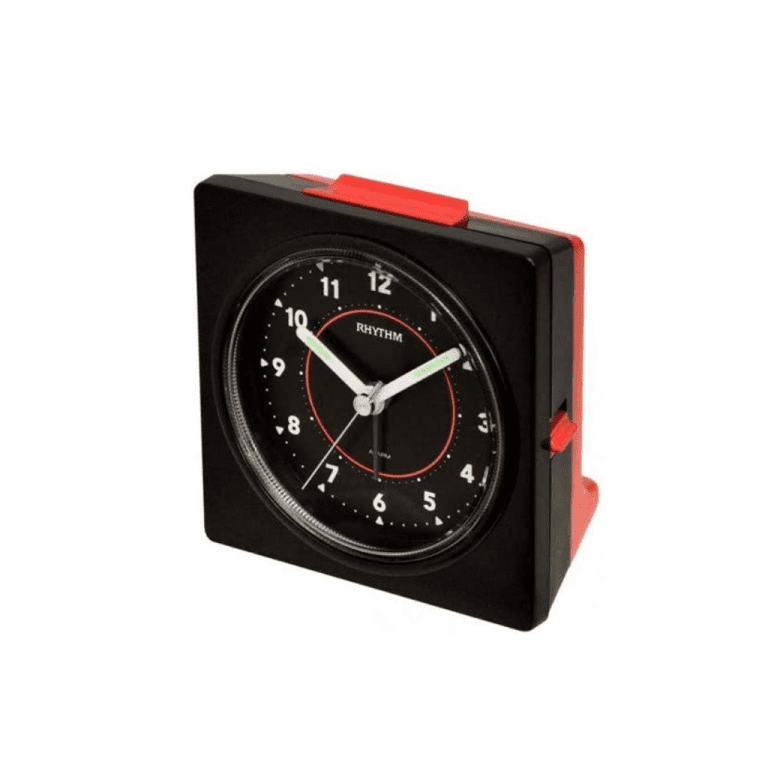

Clocks are fundamental devices used to measure, display, and organise time, playing an essential role in daily life across cultures and historical periods. From ancient methods of tracking the passage of hours to modern digital and smart technologies, clocks have continuously evolved while remaining central to how societies function. Beyond their practical purpose, clocks also carry cultural, educational, and symbolic importance.
The earliest attempts to measure time were based on natural cycles. Ancient civilizations relied on the movement of the sun, moon, and stars to understand the passing of days and seasons. Sundials were among the first timekeeping tools, using the position of a shadow cast by the sun to indicate time. While effective during daylight, sundials were limited by weather and darkness. To overcome these challenges, early inventors developed water clocks and sand timers, which measured time through controlled flow. These devices laid the groundwork for more complex mechanical clocks.
Mechanical clocks emerged in Europe during the Middle Ages and marked a significant milestone in timekeeping. These early clocks used gears, weights, and escapement mechanisms to regulate movement. Large and often installed in church towers and town squares, they helped entire communities coordinate work, worship, and social activities. Although not highly accurate by modern standards, they represented a major advancement in organising daily life.
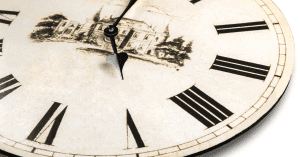
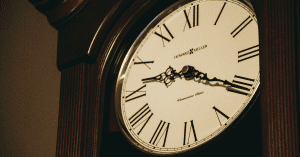
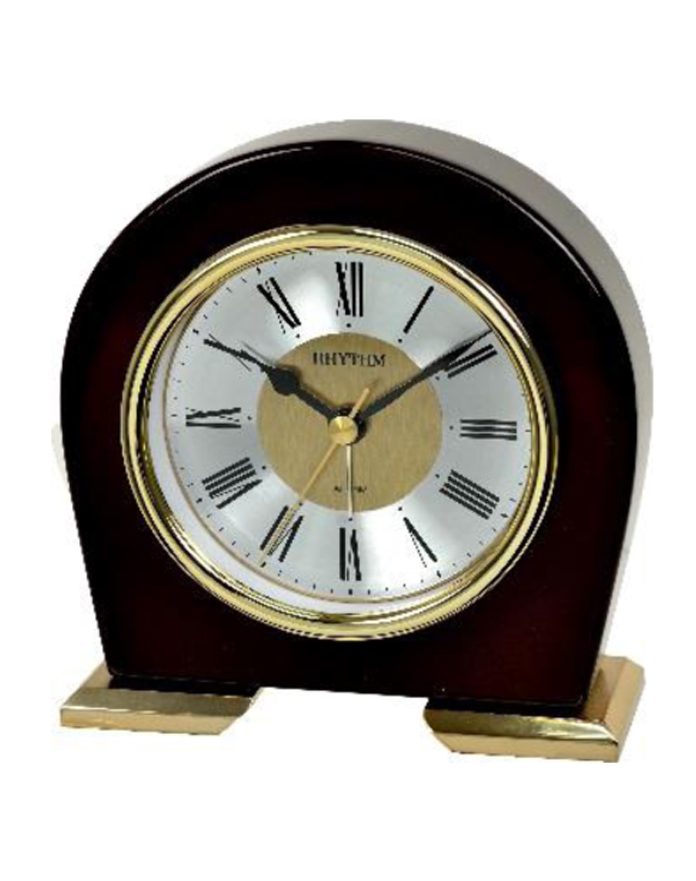
The invention of the pendulum clock in the 17th century greatly improved accuracy. By using the steady swing of a pendulum to regulate movement, clocks became far more precise. This innovation led to the development of household clocks such as wall clocks, mantel clocks, and longcase or grandfather clocks. As accuracy improved, clocks began to include minute hands, allowing for more exact time measurement.
The Industrial Revolution transformed clock production. Advances in manufacturing made clocks more affordable and accessible to ordinary households. During this period, clocks became common features in homes, schools, factories, and offices. Designs varied widely, from simple functional models to decorative and ornate styles that reflected popular art and furniture trends. Clocks were no longer just tools but also decorative objects.
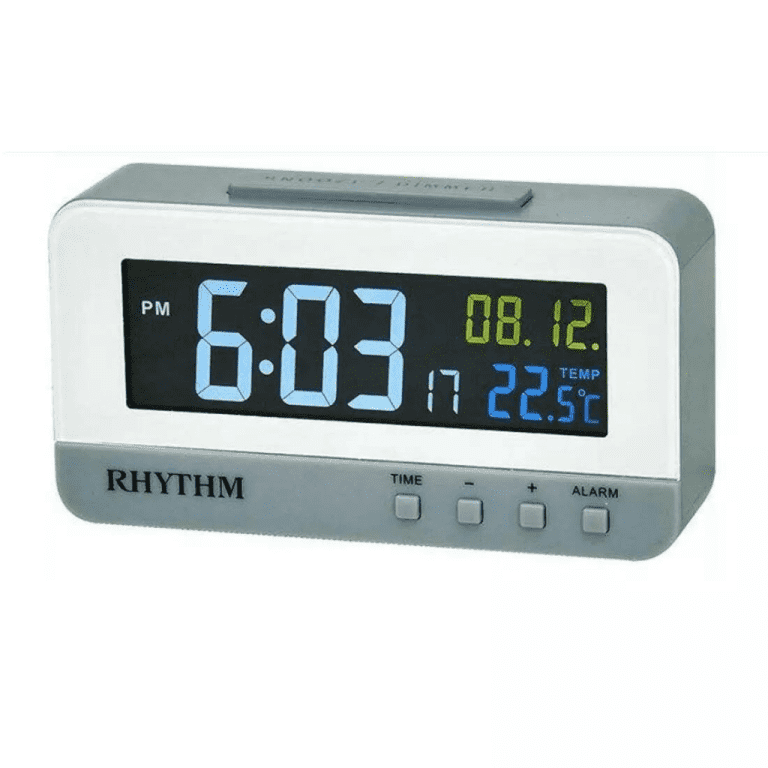
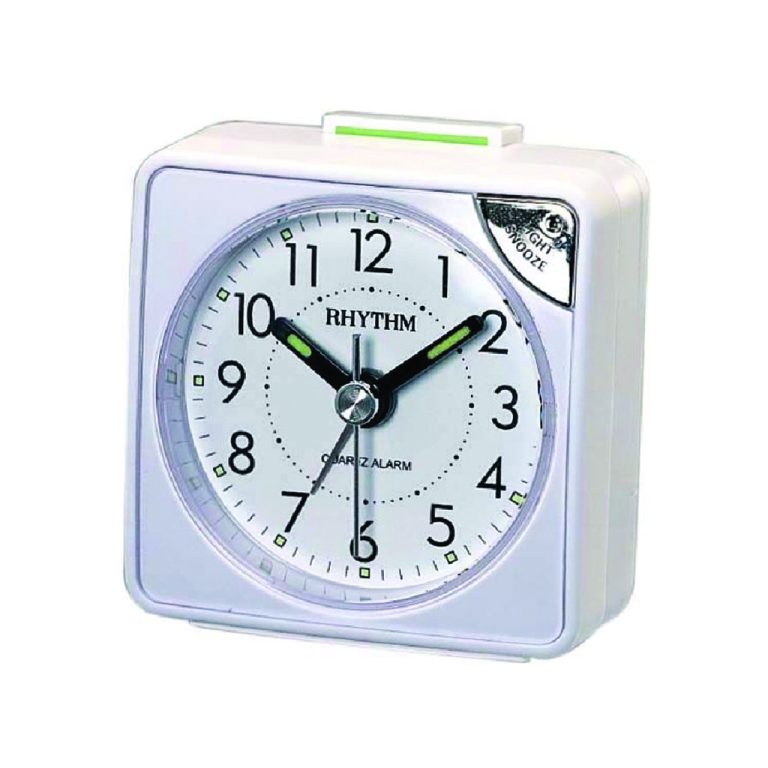
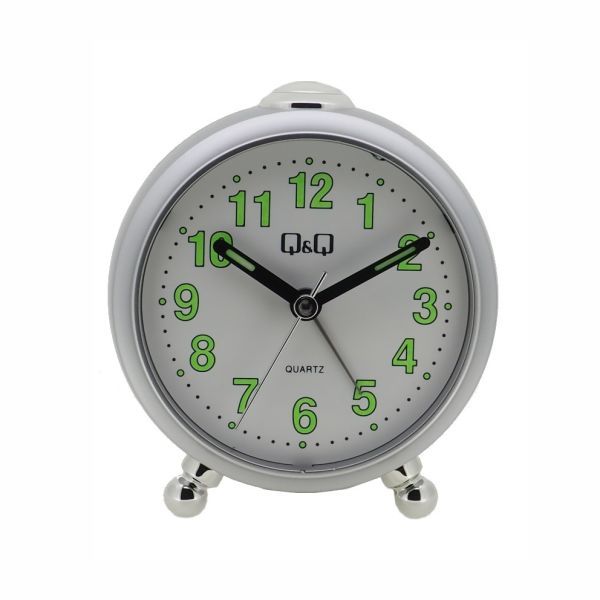
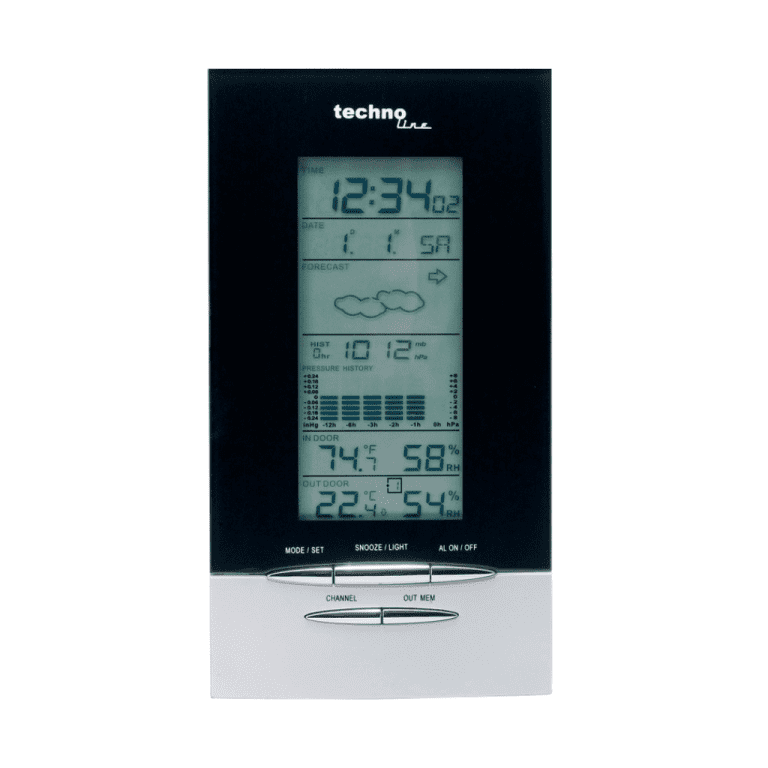
The 20th century brought major technological changes with the introduction of quartz clocks. Quartz technology uses the vibrations of a quartz crystal, powered by a battery, to keep time with remarkable accuracy. These clocks require minimal maintenance and are widely used today in wall clocks, alarm clocks, watches, and digital displays. Digital clocks further simplified time reading by showing numerical displays and often including additional functions such as alarms, timers, and calendars.
In recent years, clocks have continued to evolve through digital integration and smart technology. Smart clocks can connect to the internet, sync automatically with global time standards, and interact with other devices in the home. Despite these advances, traditional analogue clocks remain popular for their aesthetic appeal and simplicity. Many people appreciate the calming motion of clock hands and the familiar ticking sound.
Clocks also play an important educational and symbolic role. They help children learn to tell time, develop time management skills, and understand the structure of daily routines. Symbolically, clocks represent the passage of time, punctuality, and the value of each moment. In many cultures, clocks are associated with discipline, responsibility, and respect for time.
In conclusion, clocks have evolved from simple natural indicators to sophisticated technological devices, yet their purpose remains unchanged. They help people organise life, appreciate time, and maintain order in a fast-paced world. Whether traditional or modern, clocks continue to be indispensable tools that connect humanity to the rhythm of time.