Despite the widespread use of smartphones, smartwatches, and digital devices, pocket watches continue to hold a special place in modern society. Their enduring appeal stems from a combination of history, craftsmanship, tradition, and personal expression. While they are no longer a necessity for keeping time, pocket watches remain treasured objects that connect people with the heritage of horology.
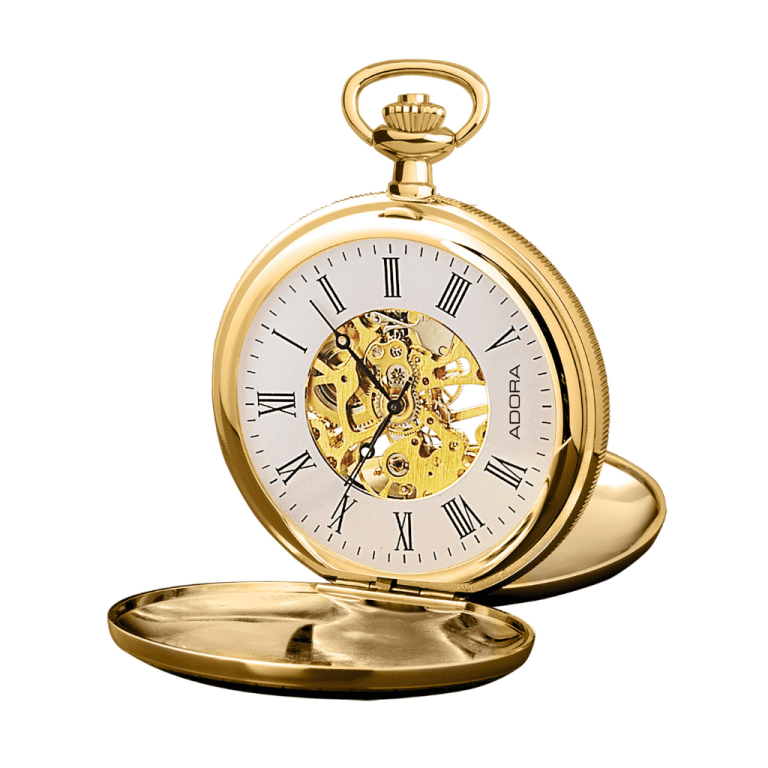
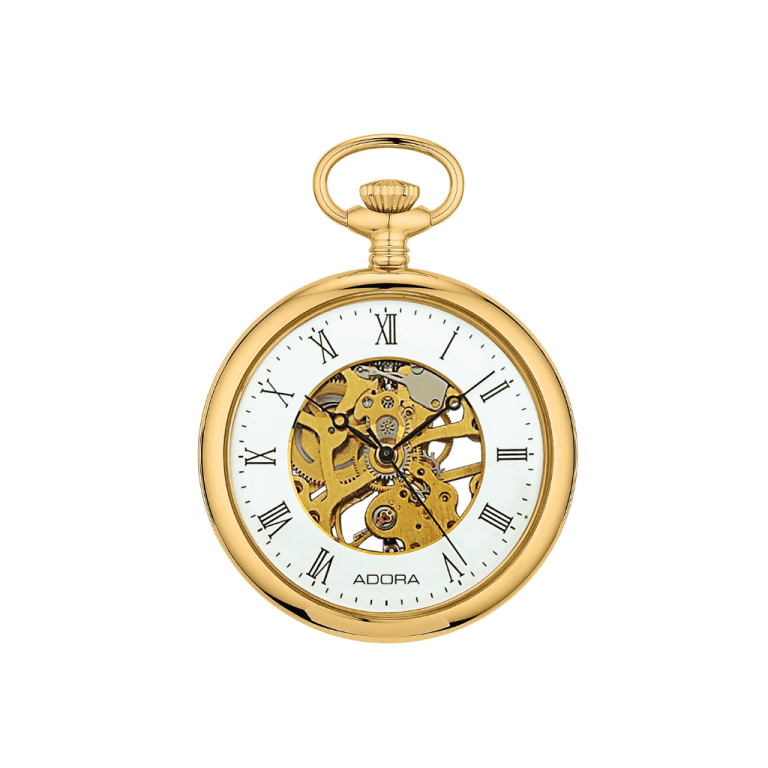
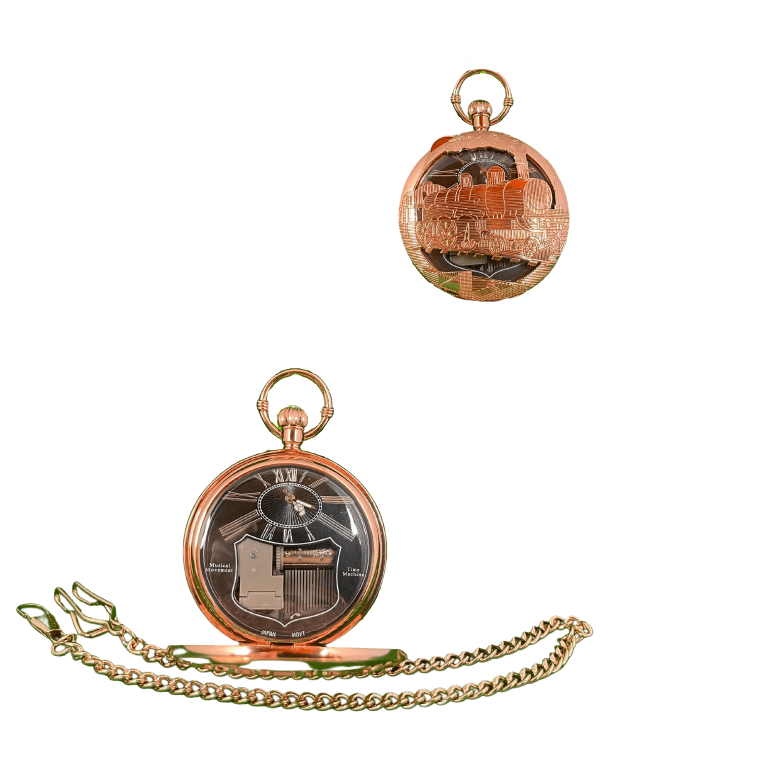
One reason pocket watches continue to attract attention is their unique aesthetic appeal. Unlike modern electronic devices, pocket watches showcase traditional design elements that emphasize elegance and sophistication. Polished metal cases, engraved patterns, Roman numerals, and mechanical movements contribute to a sense of timeless beauty. Many people appreciate the ritual of opening a watch case and viewing the carefully crafted dial inside.
Mechanical pocket watches also provide an opportunity to experience engineering in its purest form. Watching the movement operate through a display case back allows enthusiasts to observe gears, springs, and balance wheels working together without the aid of batteries or electronic components. This mechanical artistry highlights centuries of innovation and craftsmanship that continue to inspire admiration.
Pocket watches are frequently associated with important life events and family traditions. They are popular gifts for graduations, retirements, weddings, and anniversaries. Many families pass pocket watches down through generations, transforming them into treasured heirlooms. These inherited timepieces often carry stories and memories that increase their sentimental value far beyond their financial worth.
The fashion world has also contributed to the continued popularity of pocket watches. Formal wear enthusiasts often pair pocket watches with waistcoats, suits, and tuxedos to create a classic and distinguished appearance. Vintage-inspired fashion movements have further encouraged interest in pocket watches as stylish accessories that stand apart from contemporary wristwatches.
Collectors and hobbyists continue to support a vibrant market for both antique and newly manufactured pocket watches. Modern watchmakers produce a wide range of models, from affordable quartz versions to luxurious handcrafted mechanical masterpieces. Some contemporary designs incorporate modern materials while preserving traditional styling, offering the best of both worlds.
Museums and exhibitions around the globe feature historic pocket watches as examples of technological achievement and artistic excellence. These displays help educate new generations about the evolution of timekeeping and the role pocket watches played in shaping modern society. From maritime navigation to railway operations, pocket watches contributed significantly to industries that depended on precise time measurement.
Pocket watches have also maintained a presence in literature, film, and popular culture. They are often used as symbols of nostalgia, mystery, tradition, or authority. Their appearance in stories and movies reinforces their image as objects that bridge the past and present.
In an age dominated by digital technology, many people find comfort in the tactile and mechanical nature of pocket watches. Winding a mechanical movement and hearing the gentle ticking provides an experience that electronic devices cannot replicate. This connection to traditional craftsmanship is one of the reasons pocket watches continue to inspire fascination.
The legacy of the pocket watch extends far beyond its practical purpose. It represents human ingenuity, artistic excellence, and the desire to measure and understand time itself. Whether admired as collectibles, worn as elegant accessories, or preserved as family heirlooms, pocket watches continue to captivate people around the world and remain enduring symbols of craftsmanship and heritage.