Clocks play a far more important role in business environments than many people realise. While digital devices are widely used today, a well-placed clock remains a practical, professional, and essential feature in any workplace. From improving time management to enhancing the overall look of a space, clocks continue to add value to businesses of all sizes.
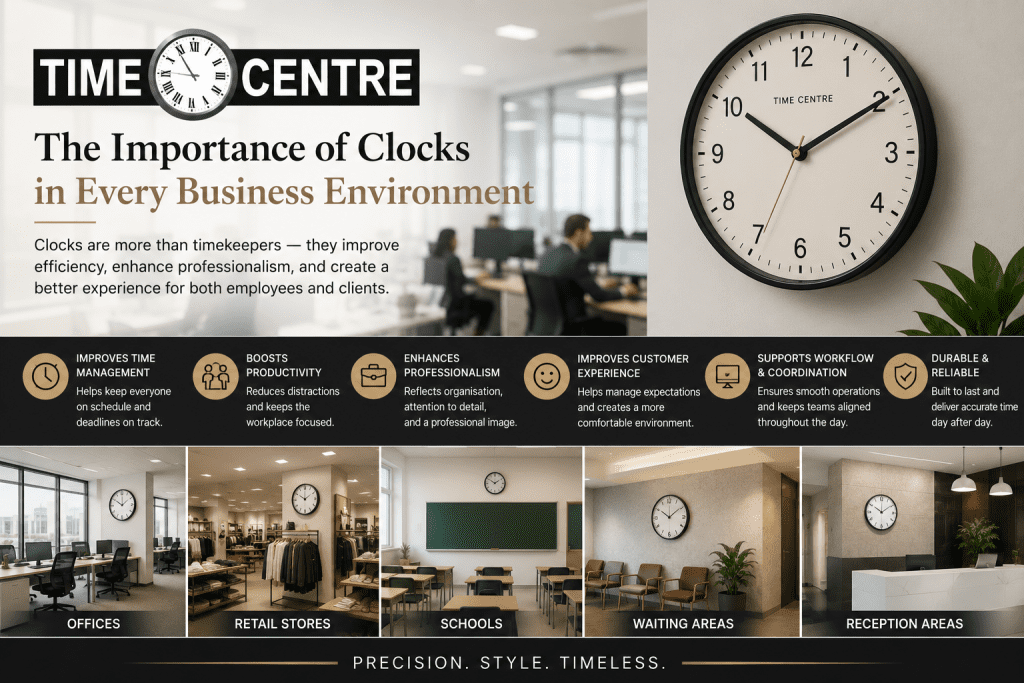
One of the most important functions of a clock in a business setting is time management. In busy workplaces, employees, clients, and visitors all rely on accurate timekeeping. Whether it’s keeping track of meetings, managing deadlines, or ensuring punctuality, having visible clocks helps maintain structure and efficiency throughout the day.
In environments such as offices, retail stores, schools, and waiting areas, clocks provide a quick and convenient way for everyone to stay aware of time without needing to check their phones. This not only improves productivity but also reduces distractions, as employees are less likely to reach for their devices during working hours.
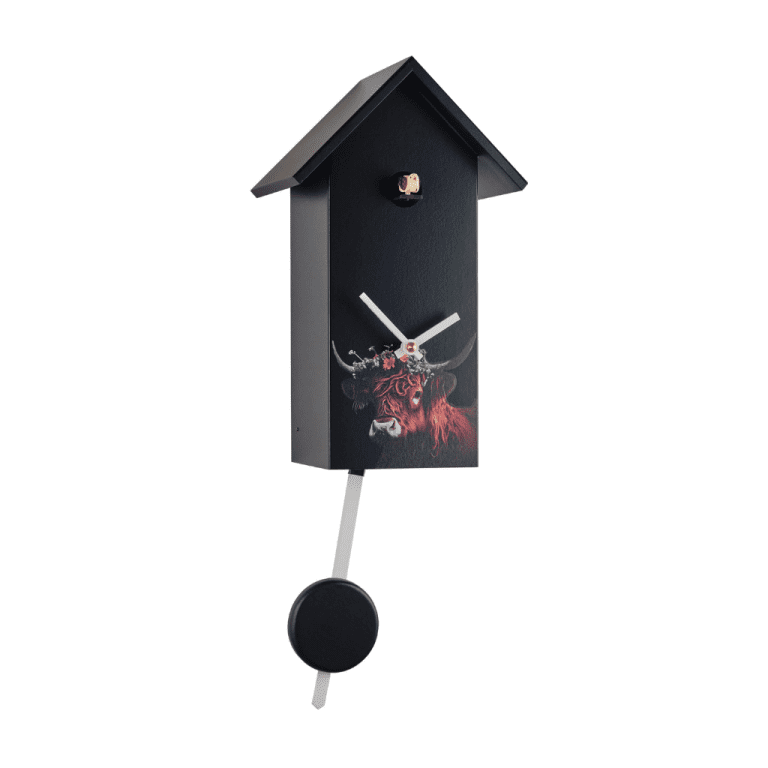
Clocks also contribute to professionalism. A well-chosen clock reflects attention to detail and organisation. For example, a sleek modern clock in an office setting can enhance a professional image, while a stylish decorative clock in a reception area can create a welcoming atmosphere for clients and visitors.
In customer-facing businesses, clocks can improve the overall experience. Clients sitting in waiting areas often feel more comfortable when they can easily see the time. It creates transparency and helps manage expectations, especially in environments such as salons, medical practices, or service centres.
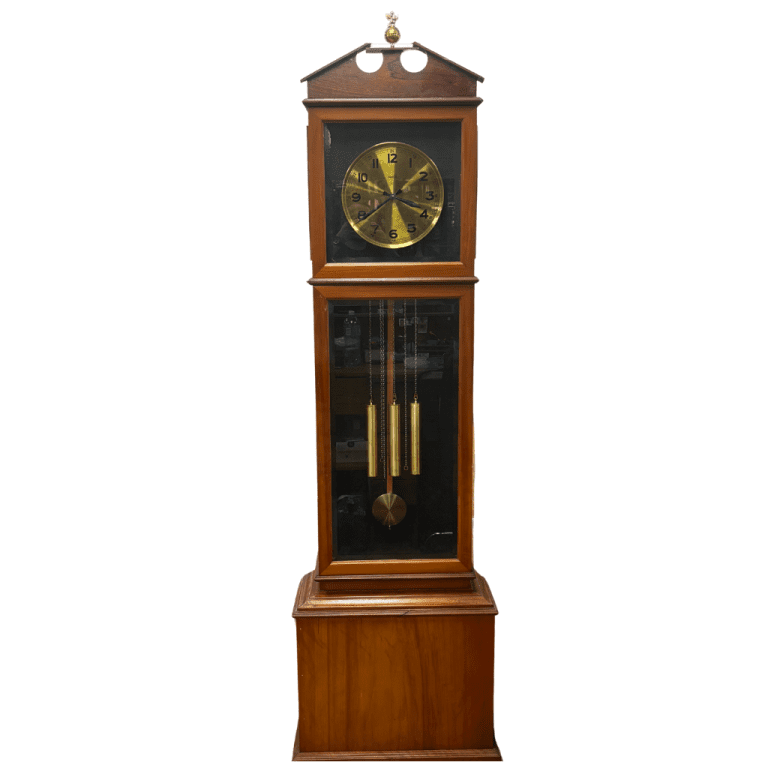
Another important factor is branding and aesthetics. Clocks are not just functional, they are also decorative elements that can complement a business’s interior design. A carefully selected clock can reinforce a brand’s identity, whether it is modern, classic, or creative. Large statement clocks can act as focal points, while smaller, subtle designs can blend seamlessly into the environment.
Durability and reliability are also key considerations in business settings. Unlike personal devices, wall clocks are constantly in use and must maintain accuracy over long periods. Investing in high-quality clocks ensures consistent performance and reduces the need for frequent replacements or repairs.
In addition, clocks can support better workflow and coordination. In workplaces where teamwork is essential, having a shared reference point for time helps keep everyone aligned. It ensures that meetings start and end on time and that daily operations run smoothly.
Ultimately, clocks remain a simple yet powerful tool in business environments. They support efficiency, enhance professionalism, and contribute to a well-organised workspace. Even in a digital age, their presence continues to make a meaningful difference.