
Clocks and Time
- The first mechanical clocks appeared in Europe around the 14th century. Before that, people used sundials and water clocks to tell time.
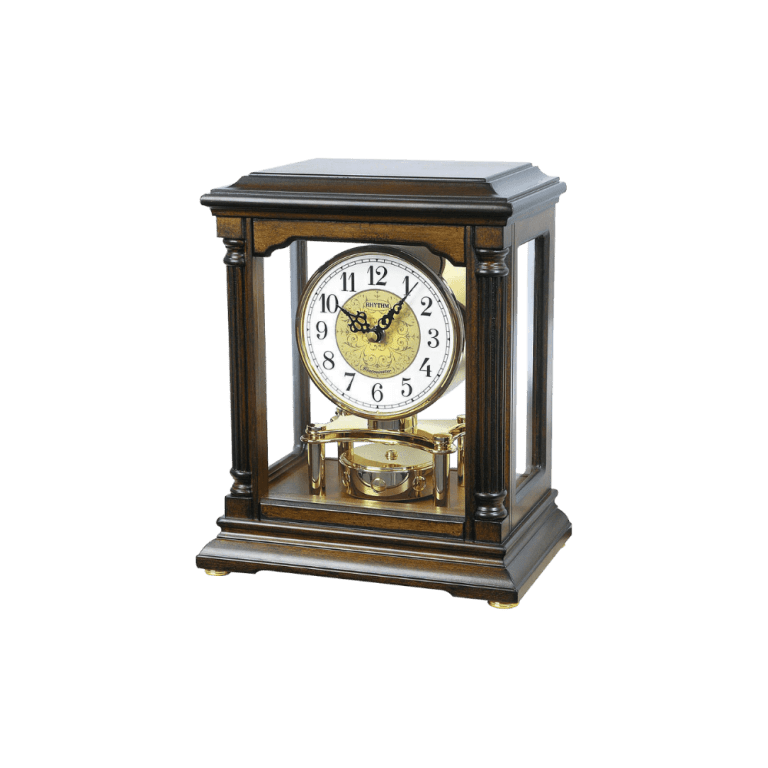
- Grandfather clocks, also called longcase clocks, can run for over a week on a single winding and are often treasured family heirlooms.
- Watches and clocks symbolize the passage of time, making them meaningful gifts to mark milestones, achievements, or celebrations.
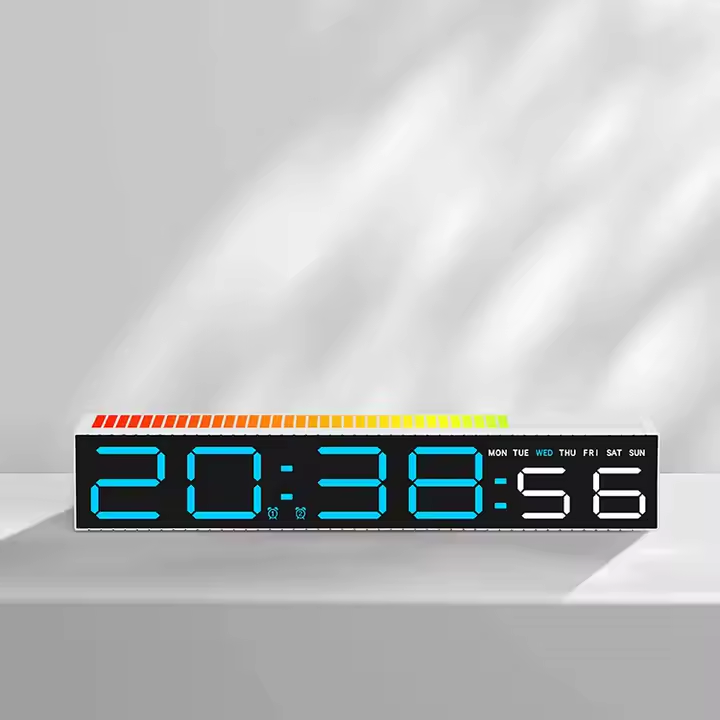
- Digital clocks became popular in the 1970s, offering more precision and additional features like alarms, calendars, and timers.
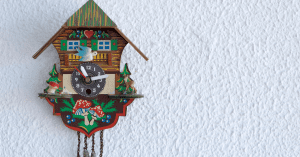
- Cuckoo clocks, originating in Germany’s Black Forest, combine craftsmanship and storytelling — the cuckoo bird pops out every hour, delighting viewers.
New Year Facts
- The Gregorian calendar, which most of the world uses today, celebrates New Year on January 1st.
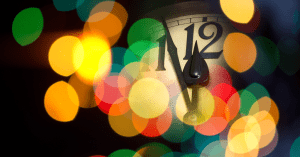
- New Year’s celebrations often involve countdowns using clocks to mark the exact moment the year changes.
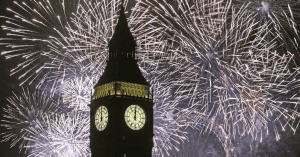
- The tradition of fireworks at midnight began in ancient China, symbolizing the driving away of evil spirits and welcoming a fresh start.
- Many cultures have unique New Year customs, like making resolutions, eating symbolic foods, or cleaning the home to invite good fortune.
- The Times Square Ball Drop in New York City started in 1907 and remains one of the most famous countdown events globally.
Combining clocks and the New Year is symbolic: they remind us that every tick represents passing moments, and the turning of the year is a chance for fresh beginnings and reflection.