- Introduce the Idea of Time
- Talk about daily routines: morning, afternoon, evening, and night.
- Use real-life examples: “We eat breakfast at 7 o’clock” or “Bedtime is at 8 o’clock.”
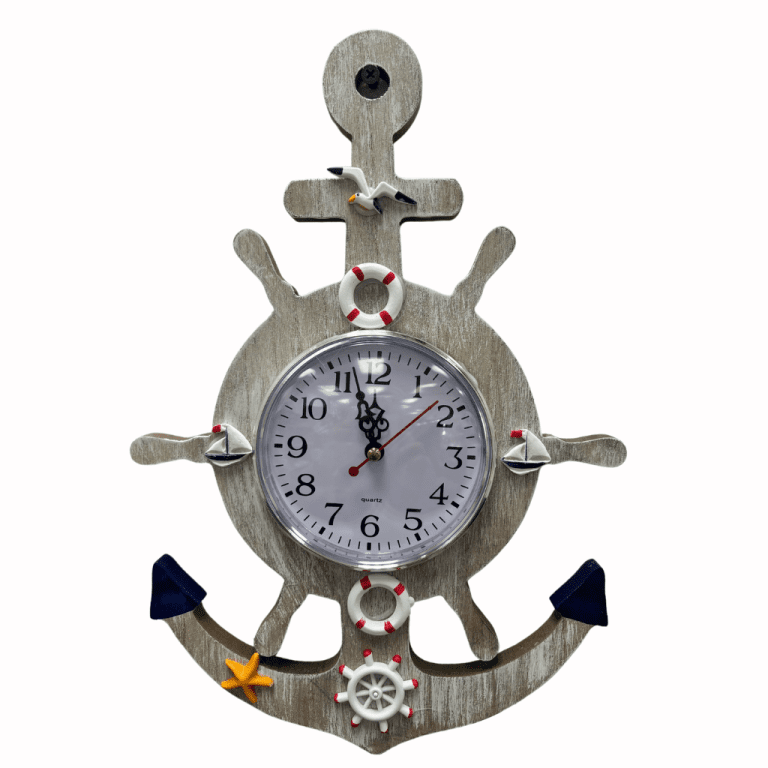
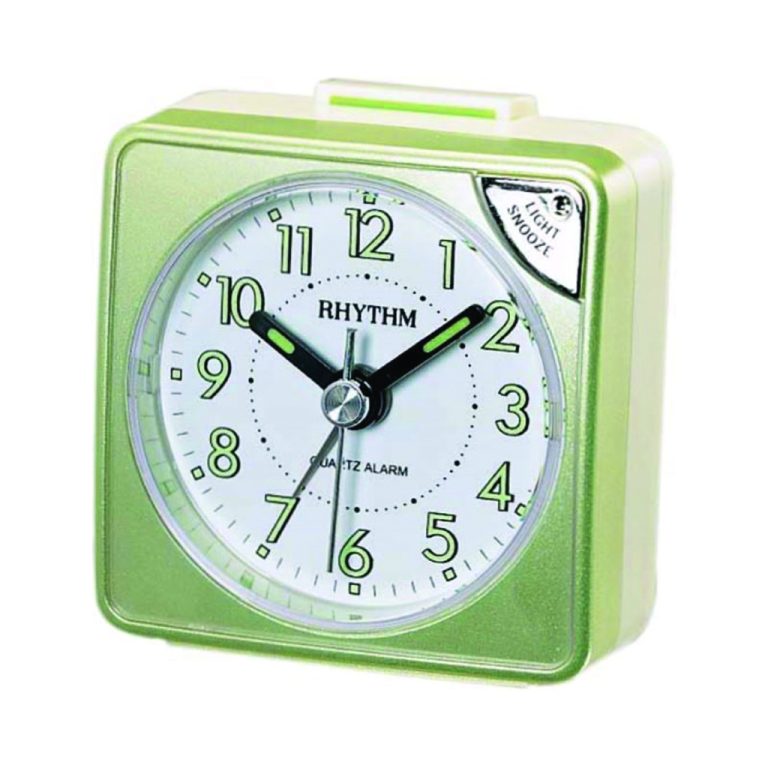
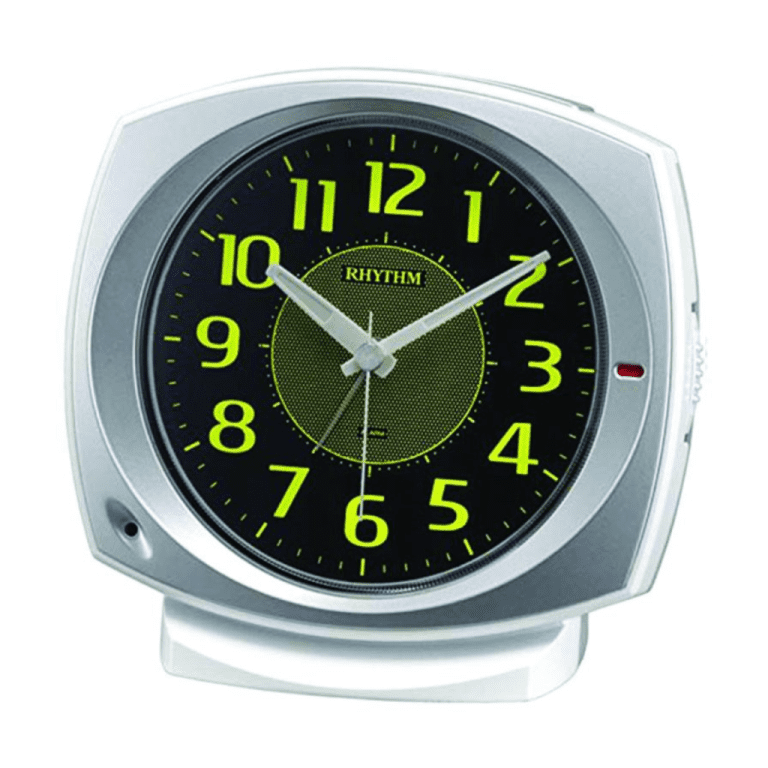
- Show the Parts of a Clock
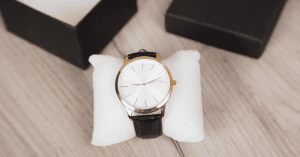
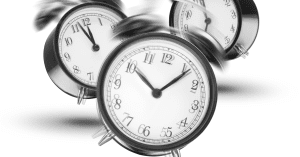
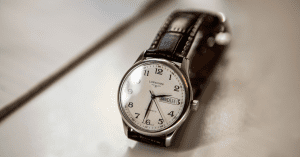
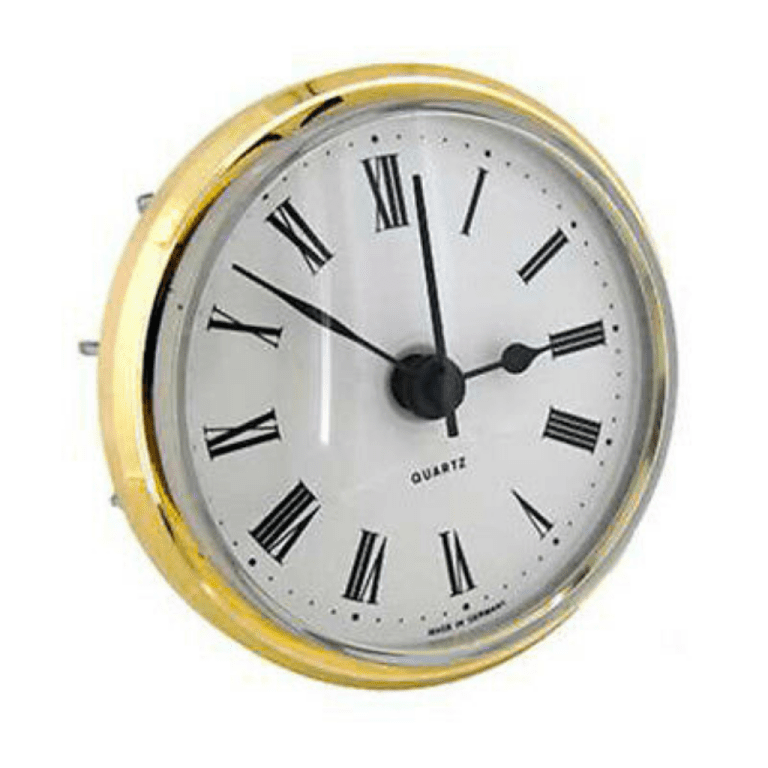
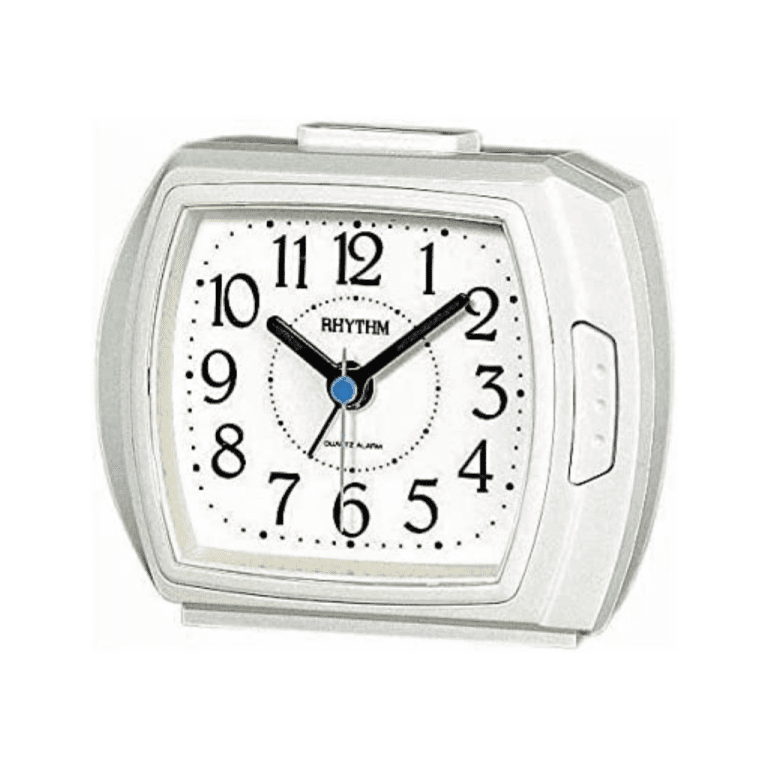
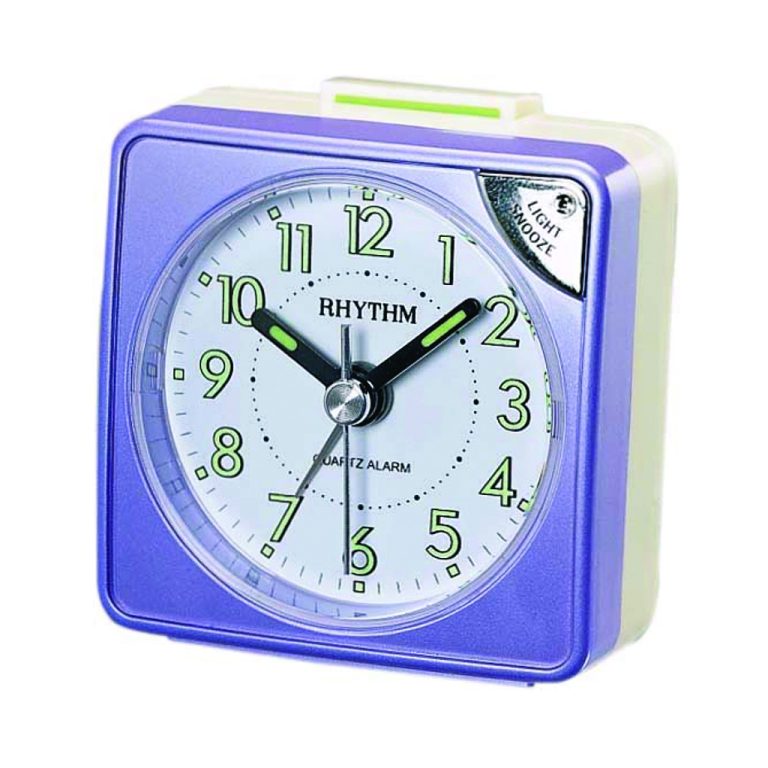
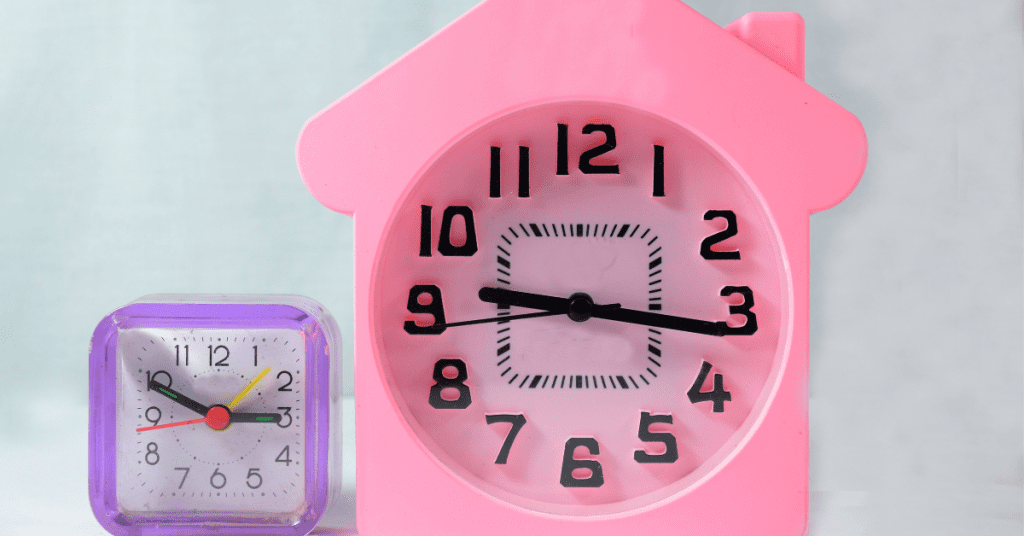
- Point out the clock face, numbers, hour hand, and minute hand.
- Use a teaching clock or draw one together so they can see how it works.
- Start with Hours
- Teach the hour hand first.
- Show simple times (like 1 o’clock, 2 o’clock, etc.).
- Play games like “Move the hand to bedtime.”
- Add the Minute Hand
- Explain how the minute hand moves around the clock.
- Show “half past,” “quarter past,” and “quarter to” using simple examples.
- Practice by setting different times and asking children to read them.
- Practice Daily
- Use small moments: “What time is it now?”
- Encourage children to match times to activities (lunchtime, playtime, bedtime).
- Introduce Digital Clocks
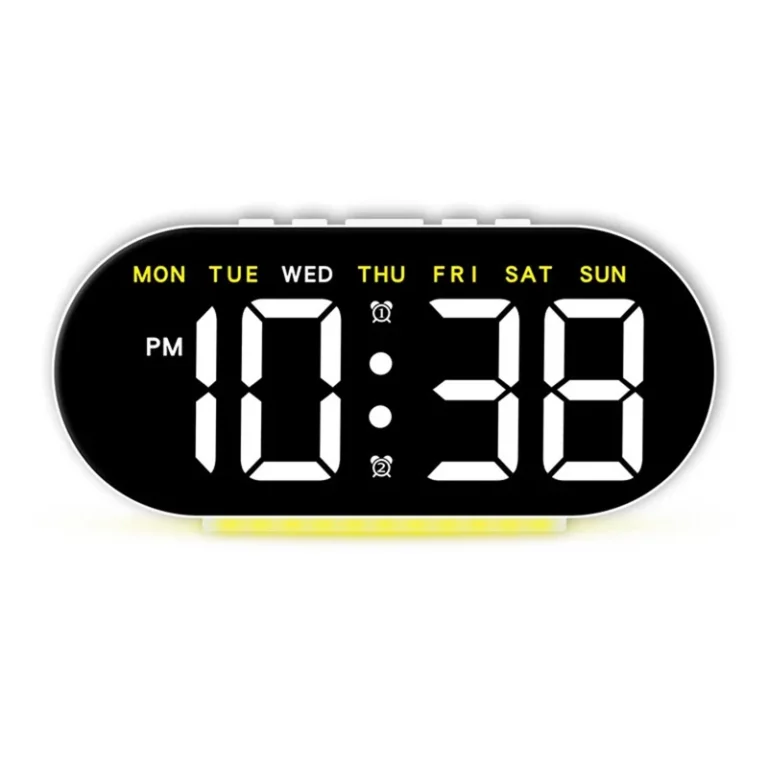
- Once they understand analog clocks, explain how digital clocks show hours and minutes with numbers.
- Practice converting times: “3:30 on the digital clock is half past 3 on the wall clock.”
- Make Learning Fun
- Use songs, rhymes, or stories about clocks.
- Play “time bingo” or matching games with clock faces and times.
- Reward progress with praise or stickers.
- Reinforce with Repetition
- Keep reviewing daily.
- Slowly increase difficulty by mixing “o’clock,” “half past,” “quarter past,” and “quarter to.”