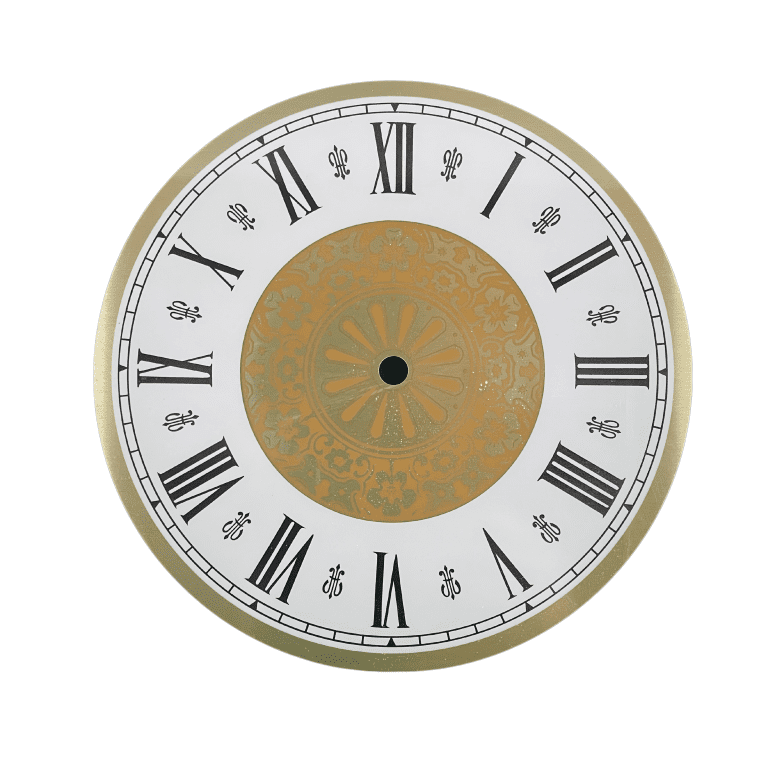
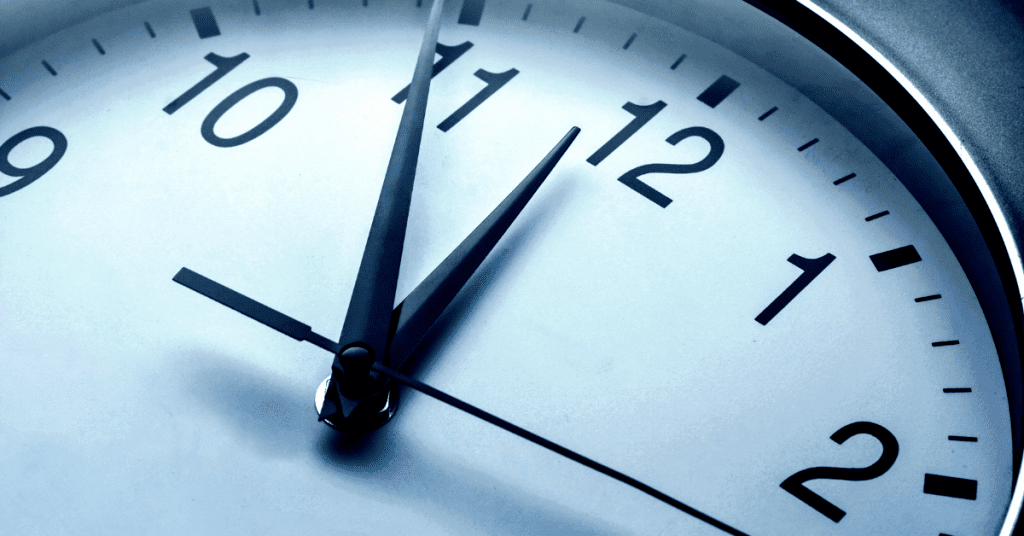
Time came about as people began noticing patterns in nature. Early humans observed the rising and setting of the Sun, which created day and night, and they watched the Moon change shape to understand months. They also noticed that the Earth’s movement around the Sun marked a year. These natural cycles helped people plan daily activities, farming, travel, and rest.
As societies developed, people needed more accurate ways to measure time. The earliest tools included sundials, which used the Sun’s shadow to tell the time, water clocks that measured time by the steady flow of water, and hourglasses that used sand. These inventions allowed people to divide the day into smaller, more manageable parts.
Ancient civilizations, particularly the Egyptians and Babylonians, played a key role in shaping how we measure time today. The Egyptians divided the day into 24 hours, while the Babylonians introduced a base-60 number system, which is why each hour has 60 minutes and each minute has 60 seconds.
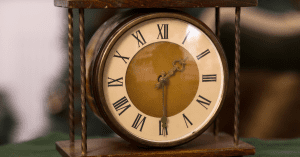
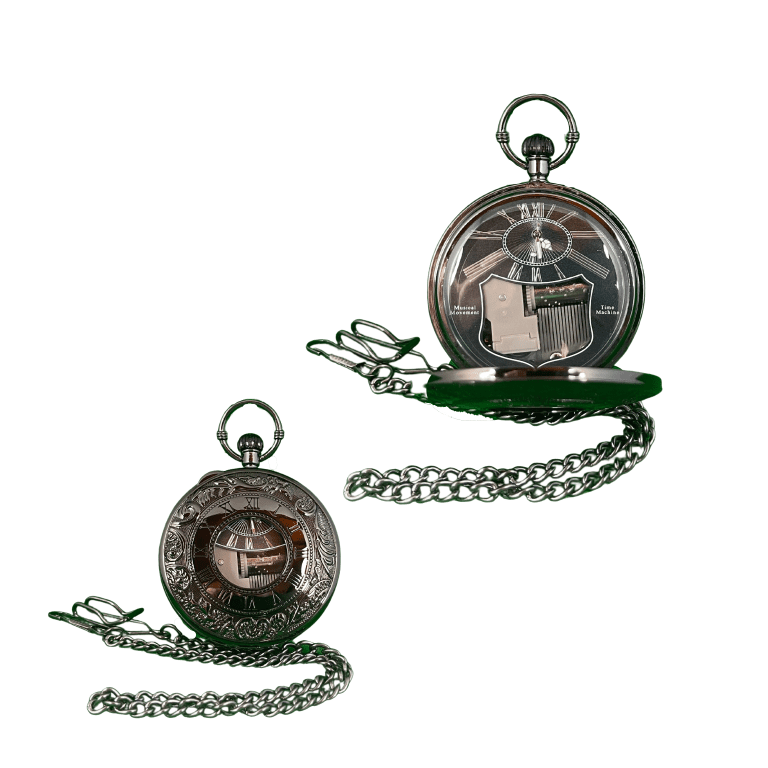
During the Middle Ages, mechanical clocks were invented and placed in churches and town squares. These clocks used gears and weights to keep time and helped communities follow a shared schedule. Over time, clocks became smaller and more accurate, leading to the creation of pocket watches in the 1500s and wristwatches in the early 1900s, making timekeeping personal and portable.
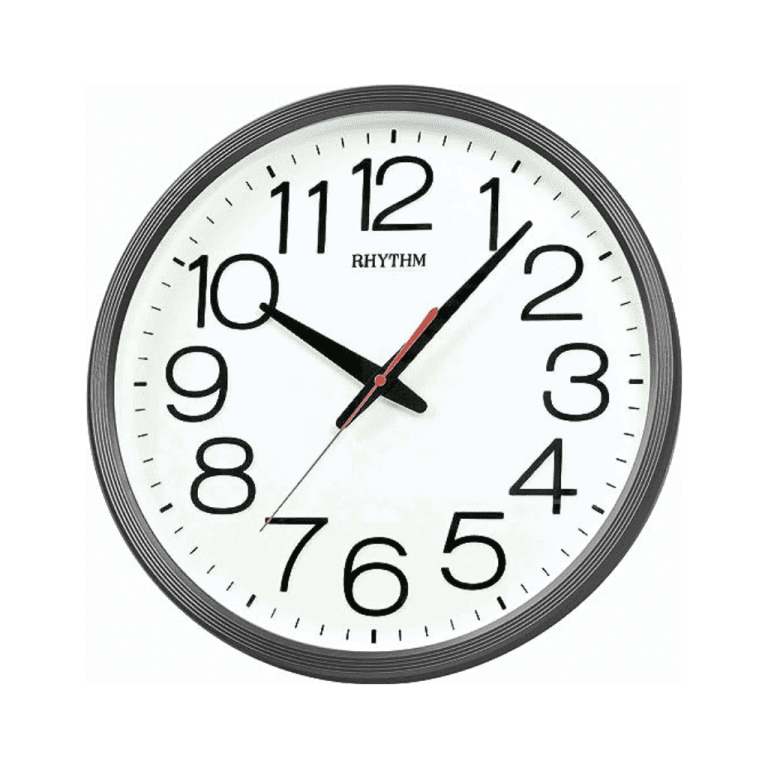
In modern times, timekeeping has become extremely precise. Quartz clocks use vibrating crystals to measure time accurately, while atomic clocks measure the vibrations of atoms and are the most accurate timekeepers in the world. Today, atomic time is used for technologies such as GPS, mobile phones, and the internet, helping people around the globe stay synchronized.