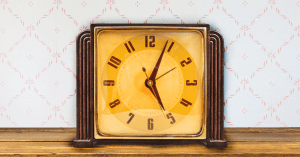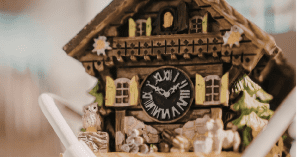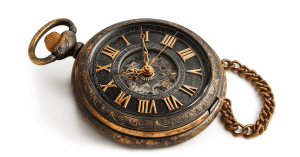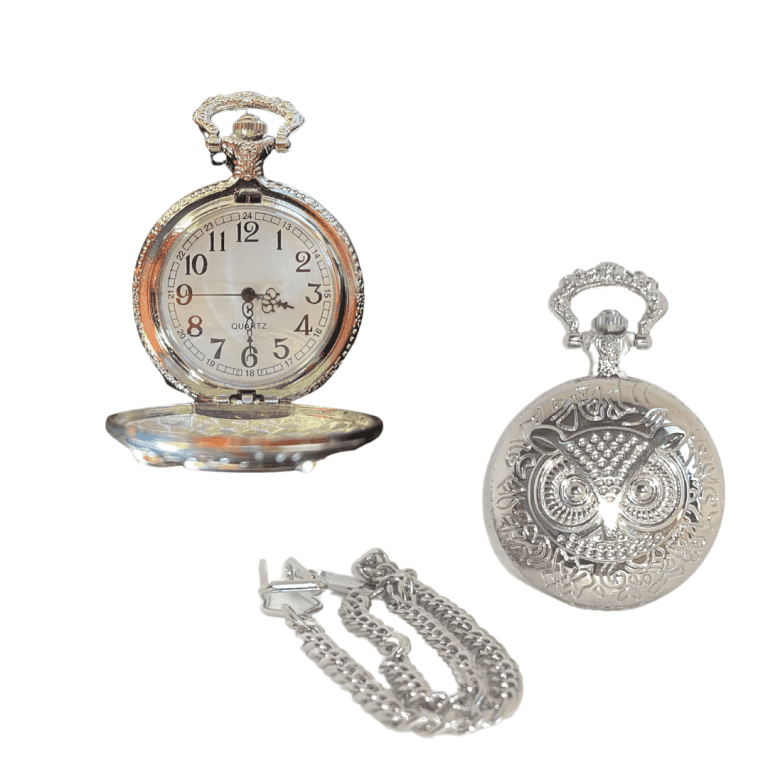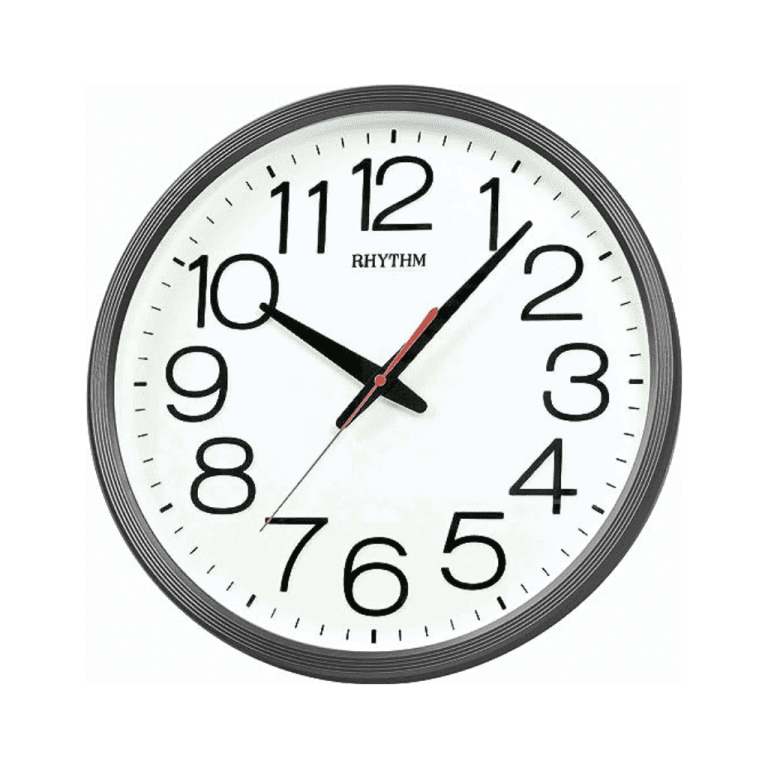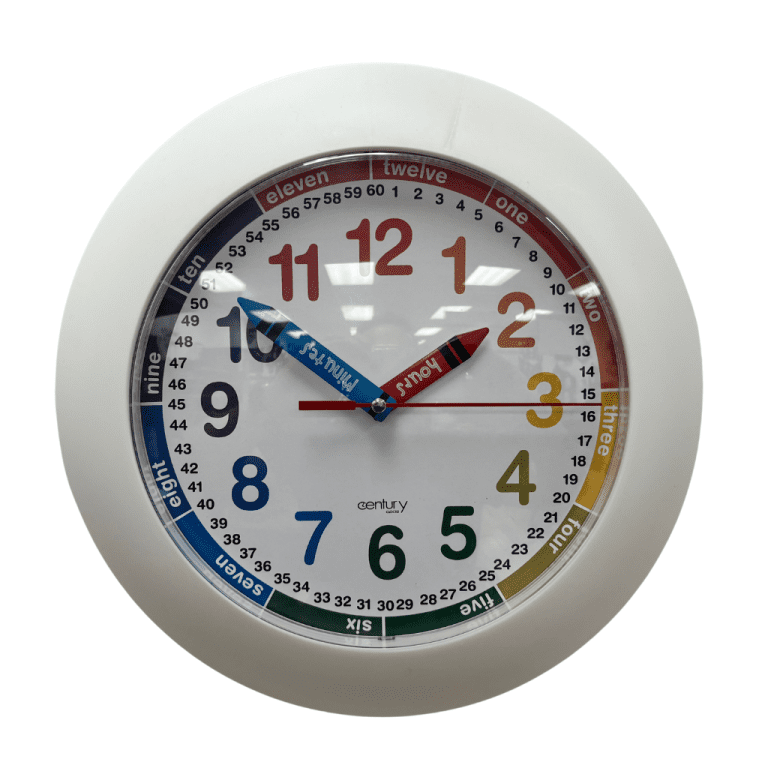
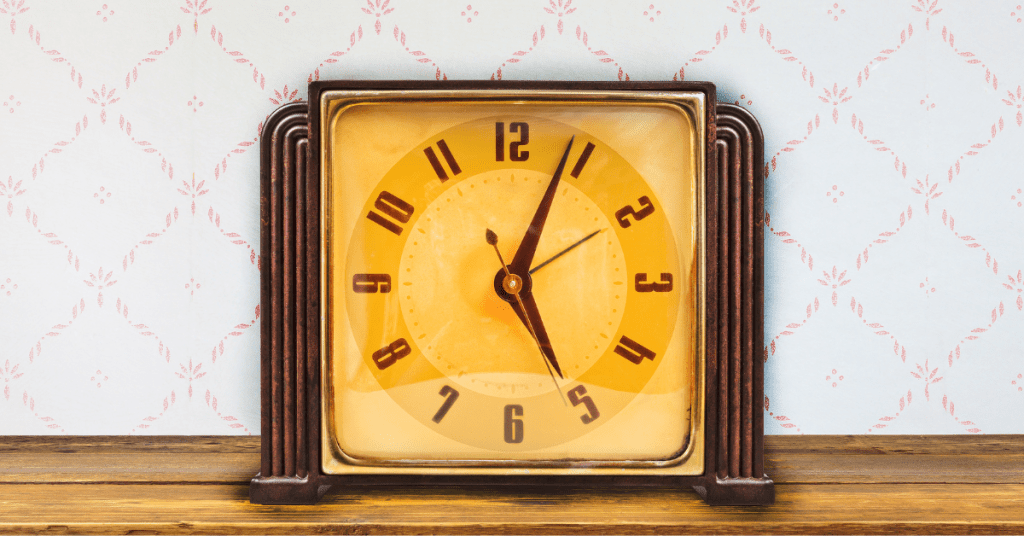
Table clocks, also known as mantel clocks or desk clocks, have a long and fascinating history that reflects changes in technology, design, and daily life. Unlike wall clocks or large tower clocks, table clocks were designed to be portable and placed on surfaces like desks, shelves, or mantelpieces. They served both practical and decorative purposes, helping people keep track of time while also enhancing the style of their homes or offices.
The origins of table clocks date back to the 16th and 17th centuries in Europe, when clockmakers began creating smaller, more compact timepieces for wealthy households. Early table clocks were often spring-driven, allowing them to be placed anywhere without relying on a pendulum or weights. These clocks were considered luxury items and were usually elaborately decorated with wood carvings, brass, or precious metals. They were symbols of status, reflecting the owner’s taste and wealth.
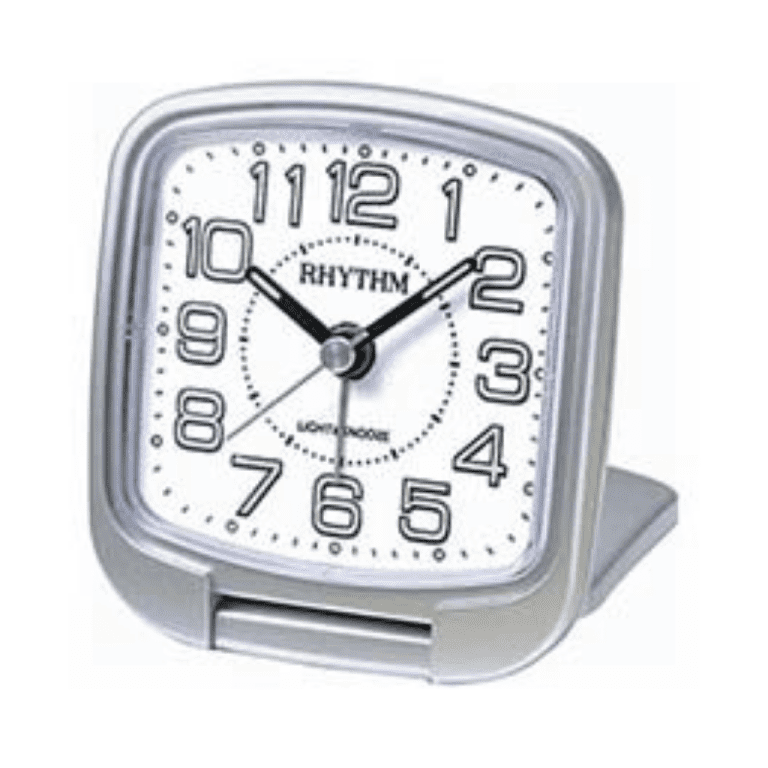
During the 18th century, table clocks became more widely available as clockmaking techniques improved. They evolved in style, from ornate Baroque and Rococo designs to simpler, more elegant Neoclassical forms. Many table clocks of this period also included striking mechanisms, chimes, or alarm functions, making them both functional and entertaining. Craftsmen paid great attention to detail, creating clocks that were not only accurate but also beautiful works of art.
The 19th and early 20th centuries saw further innovation with the rise of industrial production. Table clocks became more affordable, allowing middle-class households to enjoy timepieces in their homes. Materials such as porcelain, marble, and glass were used, and designs ranged from traditional to highly decorative Art Nouveau and Art Deco styles. Table clocks also became popular for offices, as professionals needed reliable timekeeping for scheduling and work management.
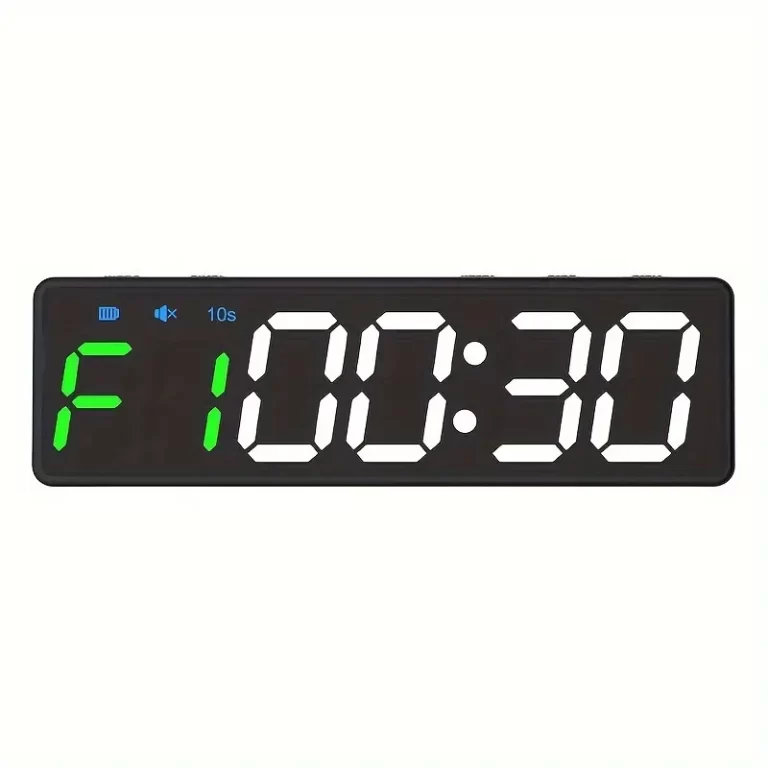
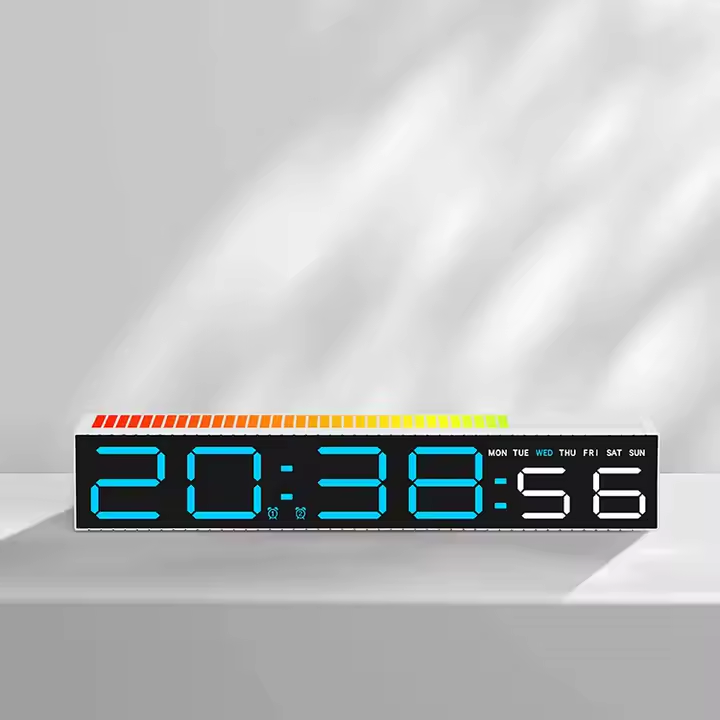
In the modern era, table clocks continue to be valued for both functionality and aesthetics. Quartz and digital movements have made them highly accurate, while designs vary from classic and antique-inspired to contemporary and minimalist. Today, table clocks serve as practical tools, decorative objects, and even sentimental keepsakes, sometimes passed down through generations.
In conclusion, table clocks have evolved from rare luxury items to widely appreciated home and office accessories. Their history reflects advancements in technology, changes in design trends, and the enduring human need to measure and celebrate time.