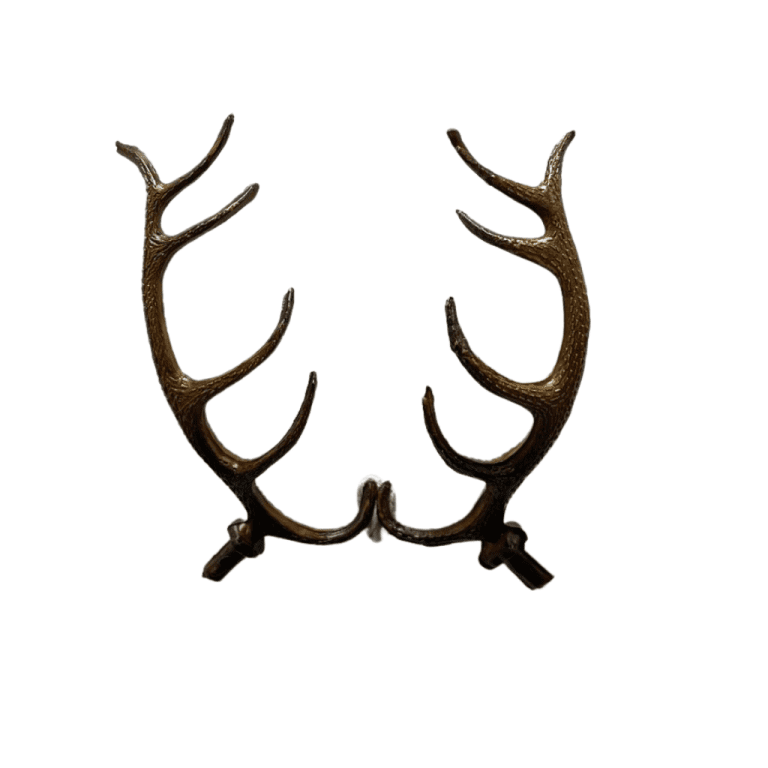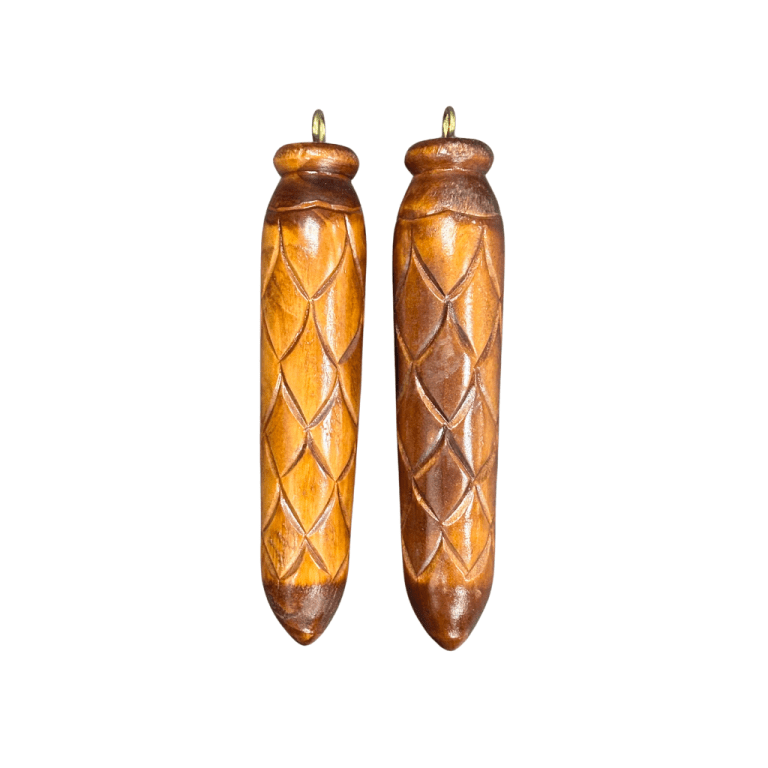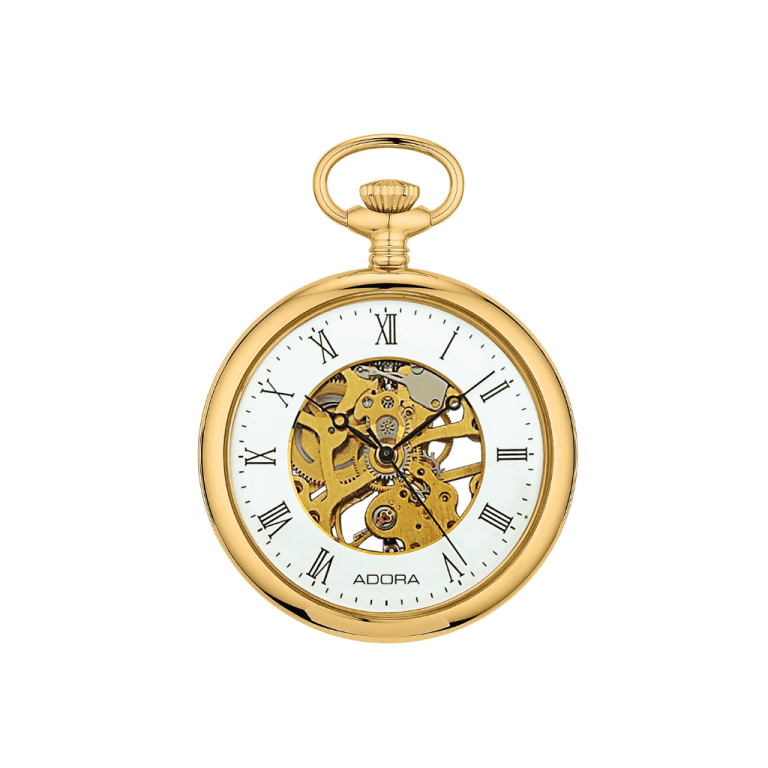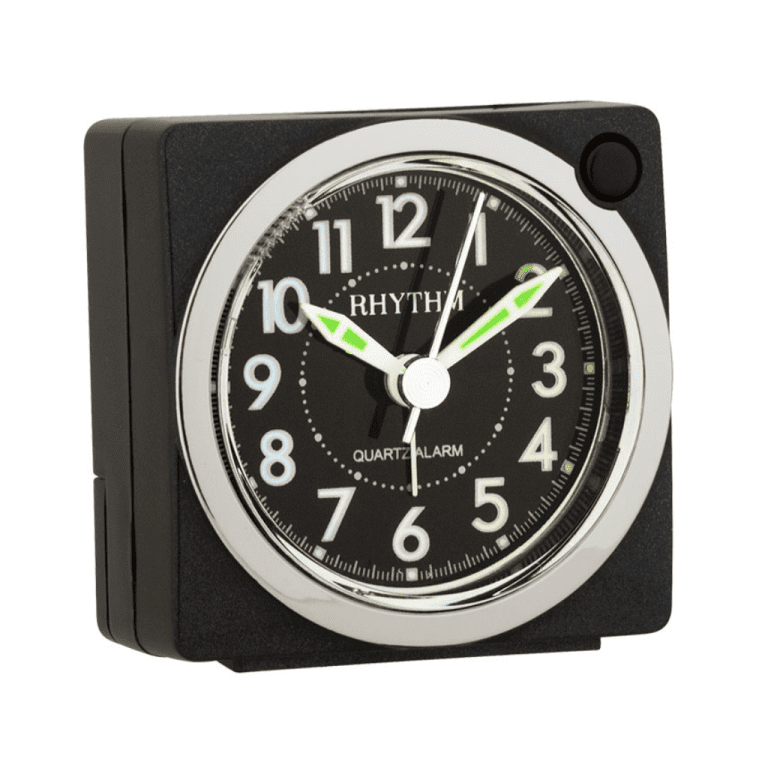

The egg timer, a small but useful kitchen tool, has a surprisingly long and interesting history. Its main purpose is simple: to measure a set amount of time, usually to ensure eggs or other foods are cooked perfectly. Over the years, egg timers have evolved from early mechanical designs to modern digital and smart devices, reflecting changes in technology and daily life.
The earliest egg timers were likely hourglasses, which date back thousands of years. These simple devices used sand to measure time and were used in kitchens, classrooms, and even on ships. People would turn the hourglass over to track the cooking time of eggs or other foods. While basic, hourglasses were reliable and visually easy to use.
In the 19th century, mechanical timers were developed. These small wind-up devices allowed cooks to set a specific time, and a bell or alarm would ring when the time was up. Mechanical egg timers became popular in households because they were compact, easy to use, and did not require constant attention. They were often made from metal or wood and sometimes featured decorative designs.
With the invention of electricity, electric timers appeared in the 20th century. These timers offered more precision and convenience. They could be integrated into ovens or stand alone on a countertop, providing accurate timing with minimal effort. Electric timers also made it easier to multitask in the kitchen, allowing cooks to focus on other preparations while timing eggs or recipes.
Today, egg timers come in a wide range of styles, from traditional mechanical dials to digital and app-connected smart timers. Some even use colour-changing technology to indicate cooking progress. Despite these advancements, the basic purpose of an egg timer remains the same: helping people cook with accuracy and confidence.
In conclusion, the egg timer has a long history, evolving from simple hourglasses to sophisticated digital devices. It reflects human ingenuity in making everyday tasks easier and more precise, and it continues to be an essential tool in kitchens worldwide.