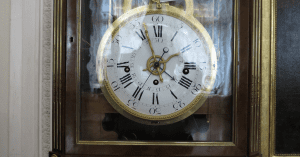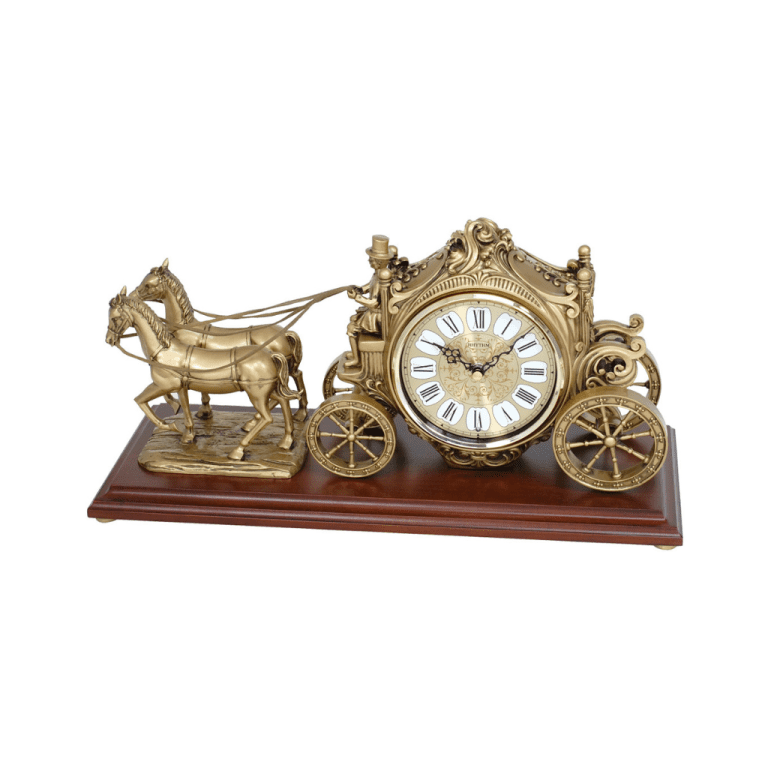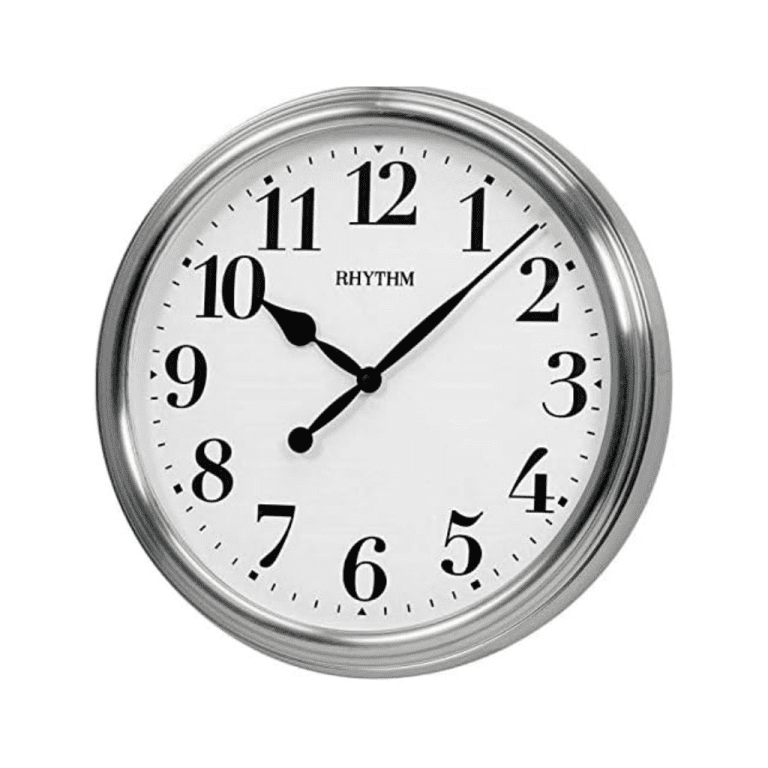
Grandfather clocks are among the most iconic and elegant timepieces in history, admired for their tall wooden cases, pendulum movements, and resonant chimes. Also known as longcase or tall-case clocks, these clocks have a rich history that reflects advancements in timekeeping, craftsmanship, and interior design. Their enduring presence in homes, public buildings, and collections around the world highlights both their functional importance and artistic value.
The origins of grandfather clocks date back to the late 17th century, following a major breakthrough in timekeeping accuracy. In 1656, Dutch scientist Christiaan Huygens invented the pendulum clock, which dramatically improved precision compared to earlier mechanical clocks. The pendulum’s regular swing allowed clocks to keep time far more accurately, making it possible to design tall clocks that housed long pendulums and heavy weights. This innovation laid the foundation for the development of the longcase clock.
The earliest longcase clocks appeared in England around 1670. Clockmakers began building tall wooden cabinets to enclose the pendulum and weights, protecting the delicate mechanisms while also serving as elegant furniture pieces. These early cases were often crafted from oak and later from walnut and mahogany, reflecting popular furniture styles of the period. The clocks were typically weight-driven and needed to be wound daily or weekly, depending on their design.
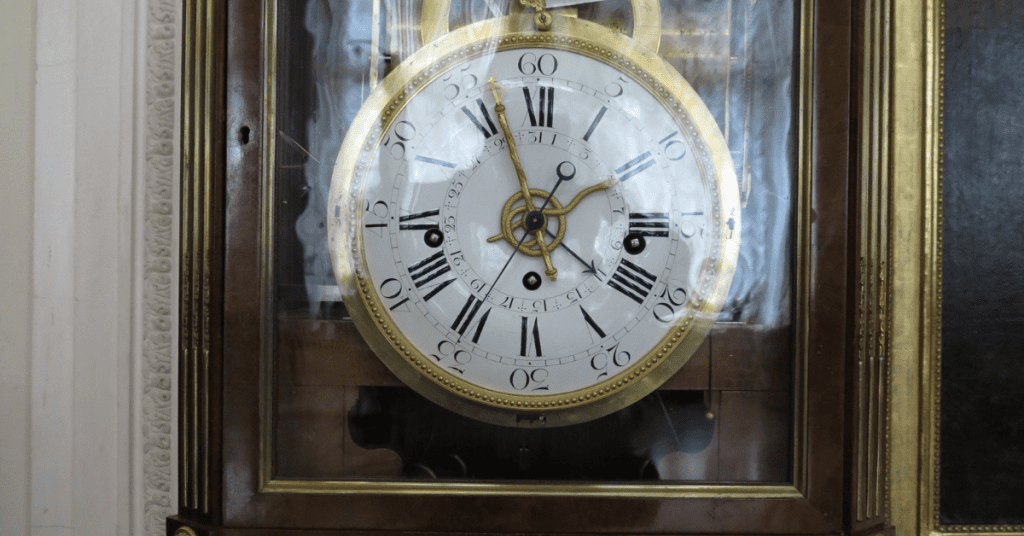
During the late 17th and early 18th centuries, longcase clocks became symbols of wealth and status. They were expensive, handmade items owned primarily by affluent families, churches, and public institutions. Clock faces were usually large and decorative, featuring brass dials with engraved details, Roman numerals, and single hour hands. As timekeeping accuracy improved, minute hands were added, allowing for more precise reading of time.
The term “grandfather clock” did not appear until much later. It originated from the popular 1876 song “My Grandfather’s Clock” by American songwriter Henry Clay Work. The song told the story of a large clock that stood in a family home for generations, eventually stopping when its owner passed away. The song became widely popular, and the name “grandfather clock” became the common term for longcase clocks, especially in the United States.
Throughout the 18th and 19th centuries, grandfather clocks continued to evolve in both design and technology. Clockmakers introduced long-duration movements that required winding only once a week or even once every eight days. Chiming mechanisms were also developed, allowing clocks to play melodies such as the Westminster chime, which added both musical beauty and practical time signals. Cases became more elaborate, with carved details, painted moon phases, and decorative glass panels.
The Industrial Revolution played a significant role in making grandfather clocks more accessible. Advances in manufacturing allowed for partial mass production, reducing costs and enabling more households to own these impressive timepieces. Despite increased production, high-quality grandfather clocks remained carefully crafted, often passed down through families as treasured heirlooms.
In the 20th century, the popularity of grandfather clocks declined with the rise of smaller, more affordable clocks and watches. However, they never disappeared entirely. Instead, they became valued as decorative and collectible items, appreciated for their craftsmanship, historical significance, and nostalgic charm. Today, both antique and modern grandfather clocks are sought after by collectors and homeowners alike.
In conclusion, the history of grandfather clocks is a story of innovation, artistry, and tradition. From their origins in pendulum technology to their role as family heirlooms, grandfather clocks remain enduring symbols of time, heritage, and craftsmanship, continuing to captivate generations with their beauty and steady rhythm.