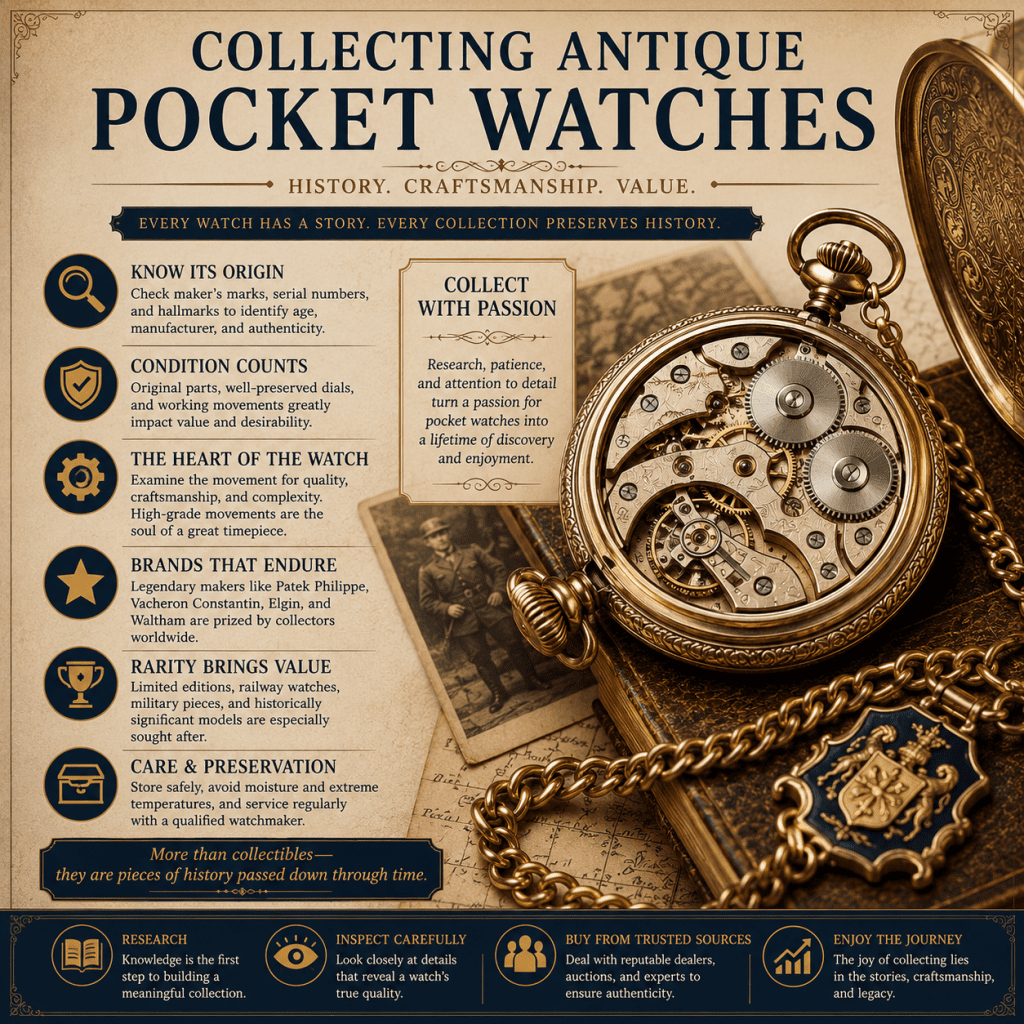
Collecting antique pocket watches is a rewarding hobby that combines history, craftsmanship, and investment potential. Enthusiasts from around the world seek out vintage timepieces that reflect different periods of watchmaking development. Each watch tells a unique story and offers insight into the technology and culture of its era.
One of the first considerations for collectors is identifying the age and origin of a pocket watch. Manufacturers often included serial numbers, hallmarks, and maker’s marks that can help determine when and where a watch was produced. Researching these details allows collectors to better understand the historical context and rarity of a particular piece.
Condition plays a major role in determining a pocket watch’s value. Watches that retain their original components, dials, hands, and cases are generally more desirable than those that have been heavily modified or repaired. Collectors also evaluate the condition of the movement, looking for signs of wear, corrosion, or missing parts. A well-preserved watch that remains in working order typically commands a higher price than a damaged example.
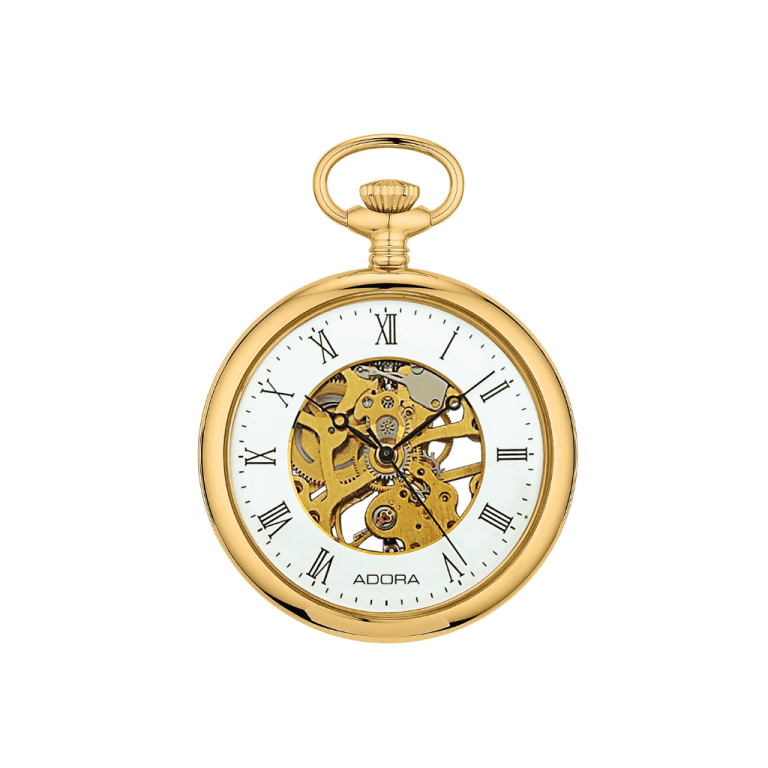
The movement is often considered the heart of a pocket watch. Mechanical movements can vary significantly in complexity and quality. High-grade watches may feature jewel bearings, precision regulators, and advanced escapement systems designed to improve accuracy. Collectors frequently examine movement designs to assess a watch’s craftsmanship and technical sophistication.
Certain manufacturers have earned legendary reputations among collectors. Companies such as Patek Philippe, Vacheron Constantin, Elgin National Watch Company, and Waltham Watch Company produced highly respected pocket watches known for their quality and innovation. Watches from these manufacturers are often sought after due to their historical importance and collector appeal.
Rarity is another important factor. Limited production models, special commemorative editions, and watches associated with significant historical events can be particularly valuable. Some collectors focus on specific themes, such as railway watches, military watches, or watches from a particular country or manufacturer. This specialized approach allows them to build collections that reflect their personal interests.
Proper storage and maintenance are essential for preserving antique pocket watches. Exposure to moisture, dust, and extreme temperatures can damage delicate components. Many collectors store their watches in protective display cases and arrange for periodic servicing by qualified watchmakers. Regular maintenance helps ensure that mechanical movements continue functioning correctly for many years.
The market for antique pocket watches remains active through auctions, antique dealers, estate sales, and online marketplaces. Collectors often enjoy researching and authenticating potential purchases, turning the hunt for rare pieces into part of the hobby’s appeal. Knowledge and patience are valuable assets when evaluating watches and negotiating prices.
Beyond their monetary value, antique pocket watches offer a tangible connection to the past. They represent centuries of innovation, artistry, and craftsmanship. Holding a watch that may have accompanied its owner through important moments in history creates a sense of appreciation that extends beyond collecting alone.
For many enthusiasts, collecting pocket watches is not simply about acquiring objects but about preserving pieces of history. Each watch serves as a reminder of a time when precision engineering and hand craftsmanship combined to create functional works of art that continue to fascinate generations.